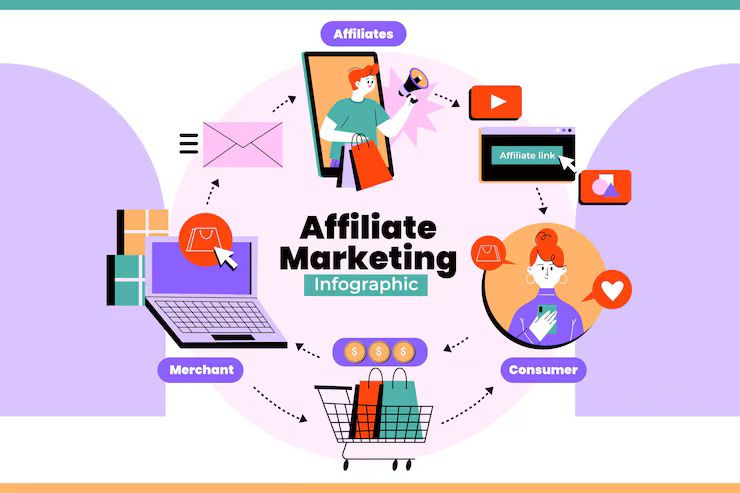
Affiliate marketing is a performance-based digital marketing model where individuals promote products or services and earn a commission when a specific action occurs, such as a sign-up or purchase. It has grown alongside the expansion of the internet, content platforms, and online businesses.
Here’s how it works - companies need attention and sales, at the same time people with followers are looking to earn from them. One side gets exposure, the other earns income, so each benefits in their own way.
Back then, digital marketing barely had any real affiliate options - what existed felt messy. Step by step, things shifted toward clearer setups, using trackable links along with tools to monitor progress. These days, getting started making money online often begins right here.
Starting out? Grasp the core of affiliate marketing by seeing how words on a page connect with real reader confidence, then grow through steady effort instead of sudden wins. Progress comes slowly - reliability matters more than speed.
Importance
Nowadays, affiliate marketing sits right at the heart of online activity. Different people gain something from it
- Blogging, vlogging, or sharing on social media - some folks look to make income that way. Earning while creating is the aim for many posting online content. People building audiences often explore ways to bring in money. Making material people like can open doors to revenue. Those putting work into digital spaces tend to seek return eventually
- Businesses looking to expand reach without heavy upfront marketing investments
- Beginners exploring flexible digital income options
Starting small? That path opens wide with affiliate marketing. Traditional setups demand stock, shipping networks, heavy funding - this skips all that. Students find space here. So do freelancers. Working pros too.
What really matters next is how well it can grow. After setting up something like a blog, a focused site, or a content stream, growth keeps moving when fresh material arrives regularly.
Because it builds trust, affiliate marketing pushes creators toward helpful posts. Not pushing products, they share useful tips - so readers stay engaged
- Educating users
- Providing helpful comparisons
- Sharing real insights
Good design makes things easier to use while slowly earning confidence over time.
Start slow if you’re new to affiliate programs - learn first, try next, then tweak. Not every step brings quick wins; growth hides in how much you adapt after trying.
Recent Updates
Affiliate marketing has seen several important changes over the past year:
Move to Better Content 2024–2025
Out there, search engines now reward content that truly helps people - original stuff built around what users actually need. Pages offering little value, or repeating others, get pushed aside. So affiliates find themselves needing to create material with real depth instead
- Real insights
- Personal experiences
- Clear explanations
More People Using AI Tools
AI is now widely used for:
- Content research
- Keyword planning
- Performance analysis
Yet people must shape the words so they feel real and earn trust.
Growth in Tracking and Attribution Platforms
Tracking tools today show more clearly what happens behind the scenes. Because of this, partners can see how their efforts lead to results
- Click behavior
- Conversion patterns
- Performance metrics
Rise of Strategies Focused on Specific Niches
Micro-niches grab more attention than wide subjects these days among affiliate marketers. Focusing tightly means better reach within smaller groups
- Better audience targeting
- Higher engagement
- Improved conversion potential
More mobile use and short videos growing
These days, short clips on phones matter more than ever. So affiliates mix things like
- Blogs
- Videos
- Social snippets
For getting seen by more people.
Laws or Policies
Fairness shows up when affiliate marketing follows online ad standards. Rules meant to keep things clear often shape how promotions work.
Disclosure Requirements
When affiliates share links that earn them a commission, they need to let people know. Being upfront helps keep things honest while meeting ad rules set by authorities.
Data Privacy Regulations
Besides growing attention toward safeguarding personal information, those involved in affiliate programs now find themselves needing to stick to regulations designed to protect privacy
- Proper use of cookies
- Open ways of gathering information
- User consent mechanisms
Content Authenticity Guidelines
Truth matters. Claims that twist facts get left out. Overstating results? Not permitted. Saying things that aren’t true breaks the rule. Honesty shapes every part. Exaggerations find no home here. Clear meaning comes first. Promises must match reality. False details vanish instantly. What remains stands on proof. Precision guides each line. No room for fluff. Every word earns its place
- Accurate
- Honest
- Informative
Platform Policies
Finding things online comes with limits set by companies that show results. These groups also control what ads appear where. Rules they follow are clear about certain behaviors. What you can do on their systems is closely watched. Breaking guidelines leads to consequences fast
- Content quality
- User experience
- Spam prevention
Sticking to the rules keeps progress steady while skipping them brings trouble down the line.
Tools and Resources
Success in affiliate marketing often comes down to what you work with. Though exact tool names don’t matter much, certain types make a difference. Some help track links without clutter. Others organize campaigns step by step. A few give insight into visitor actions. Then there are those that simplify payouts behind the scenes. Most handle reporting so numbers aren’t guesswork. One kind supports communication across platforms. Another streamlines how offers get shared. Each plays a role - quietly, steadily
Keyword Research Tools
Figuring out what people look for online starts by spotting patterns in their queries - valuable terms often stand out when viewed this way
- highest paying affiliate programs
- affiliate programs for beginners
Content Management Systems
Some tools help build blogs without needing code. These spots online let folks write posts fast. Websites go live quick through simple steps. Writing shows up right after typing it. Easy controls guide each move. Pages grow piece by piece. Anyone can tweak how things look. Settings adjust with just clicks. No extra skills stand in the way.
Analytics Tools
Used to track:
- Website traffic
- User behavior
- Conversion performance
Link Tracking Systems
From time to time, these tools check how affiliate links are doing by tracking where clicks come from. They show patterns in who engages and when it happens.
Learning Resources
Starting out? Clear step-by-step walkthroughs, hands-on lessons, while thoughtfully organized resources lay down solid basics.
Content Planning Templates
Putting thoughts in order works well with this. Keywords fit neatly into place because of how it's built. Publishing plans stay clear when using its layout.
Good results come from making smart use of what's available, which keeps things running smoothly while reducing errors over time.
Affiliate Marketing Basics Step by Step Tips
Select One Specific Focus
Start with something narrow - what excites you, what people actually search for. Skip wide subjects; they blur the message.
Understand Your Audience
Start by understanding who you're speaking to. Their struggles matter just as much as their goals. Notice the kinds of messages they lean into when looking for answers. What grabs attention today might not tomorrow - stay observant.
Create Helpful Content
Start by sharing something useful. Blogs work best when they help someone solve a problem. Tutorials matter more if each step makes sense. Guides should answer questions people actually have. Skip the pitchy words. Focus on clarity instead. Helpful content sticks around longer.
Use Keywords Naturally
Include keywords like Affiliate Marketing Basics in a natural way without overusing them.
Build Trust
Truth opens doors where silence closes them. When thoughts come straight from experience, people lean in to listen. Clear words build bridges across confusion. What grows from honesty? A space where others speak up too.
Track Performance
Watch which parts succeed, notice where things fall short. When numbers shift, so should your approach.
Stay Consistent
Staying consistent with fresh posts slowly shapes lasting outcomes. What matters most shows up over time when effort keeps flowing. Progress grows where attention returns again and again.
FAQs
Understanding Affiliate Marketing Fundamentals?
Starting off, Affiliate Marketing Basics means knowing how promoting products connects with using special links that track activity. These links help figure out who gets paid later on when a sale happens. Commissions come into play once someone buys through one of those unique paths online. It's less about pushing ads, more about making clear where traffic leads and what follows after clicks happen behind scenes.
Can someone new try affiliate marketing? Maybe yes.
Starting out here works fine even if you have never done this before. No need for deep know-how right at the beginning.
How long does it take to see results?
Most times, progress shows only after steady work. What matters most? How often you post, how good it is, also whether there’s a clear plan behind it.
What type of content works best?
When it comes to holding attention, lessons beat ads. Solving real issues often lands stronger than pushing a product. Instead of selling, showing helps more. People stay longer when they learn something useful. Clear answers pull ahead of flashy pitches every time.
Are tracking platforms important?
Fine tuning happens because these tools track progress. Still, better plans come from watching results closely.
Conclusion
Affiliate marketing fits into digital strategies in real ways, always shifting. Getting clear on the fundamentals opens a path that's both organized and lasting.
True success hides in steady work, not fast tricks. Building trust comes through useful posts that speak clearly to real needs. Growth shows up slowly when learning never stops. A patient attitude shapes progress more than plans do. Effort that lasts builds paths others follow without noticing. Over months, small steps turn into something solid inside online spaces.