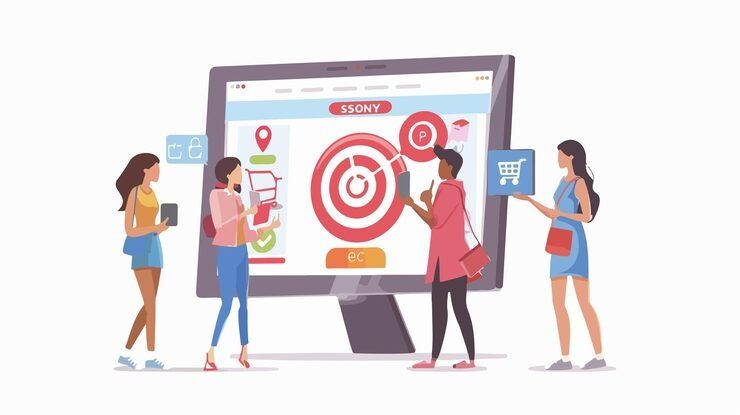
Remarketing is a digital advertising strategy that reconnects with people who have previously interacted with a website, mobile application, online content, or digital platform. Instead of reaching completely new audiences, remarketing focuses on individuals who have already shown interest through actions such as visiting a webpage, reading content, watching videos, or engaging with advertisements.
One way to look at it - marketers sort people into groups based on past actions. Messages shaped around those behaviors tend to hit closer to home. Personalized ads often do better because they feel less random. Platforms keep changing, yet one thing sticks: reaching out again works. Education, healthcare, even car companies rely on this move. Finance firms use it just as much as tech startups. Travel sites remind you about trips you almost booked. Insurance pages nudge visitors who paused mid-form. E-commerce stores show items left behind in carts. Each industry tweaks the method slightly. What stays true is the core idea - timing matters when reconnecting.
What sets remarketing apart isn’t just reach - it’s fit. Messages shift based on how someone acted before, so what they see feels less random. This kind of targeting works within the rules set by ad systems and watchdogs alike. Useful touches matter most when people expect control over their data.
Common remarketing audiences include:
- Previous website visitors
- Product or category page visitors
- Mobile application users
- Video viewers
- Newsletter subscribers
- Cart abandoners
- Returning visitors
- Existing customers
- High-value users
- Across different platforms, comparable user groups were accommodated
Remarketing Campaigns Help Keep Visitors Engaged After They Leave
Most people online need more than one visit before they decide on something big. Staying in front of them makes it easier for companies to be remembered - especially when new details are shared along the way.
Some major advantages include:
- Improved audience relevance
- Better engagement opportunities
- Higher campaign efficiency
- Personalized messaging
- Better conversion tracking
- More accurate audience segmentation
- Stronger customer retention
- Consistent brand awareness
Because choices take time, sectors dealing in big-ticket items often turn to remarketing. Think about it - when people need to study their options carefully, follow-up makes sense. Picture someone weighing a major purchase after browsing once. Those paths usually stretch out, needing more touchpoints. Remarketing steps in where patience matters most. Industries like finance, education, real estate fit here naturally
Expecting another look at policy details? Insurance quotes often pop up again. People digging into loan choices usually search personal loans next. Business insurance comes back around when risk feels close. Those exploring careers click on online MBA links more than once. Investment planning stays in mind after first finance chats. Medical services get extra attention following health concerns. Professional certification pages see return visits from eager learners. Health insurance searches rise when coverage ends. CRM software draws users who tried similar tools before. Home financing questions reappear during life shifts. Legal consultation pops up after contract troubles start. Corporate law topics gather interest near boardroom debates. Commercial property clicks climb when markets shift slightly.
Starting fresh each time, ads can share useful insights rather than replaying the same message, guiding people toward learning something different as they explore. What matters is showing up with clarity, not noise, meeting curiosity with substance across every step.
Smart ways to bring back past visitors
Most folks act unique online, so cookie-cutter ads miss the mark. Tailoring messages to specific groups often hits closer to home.
Popular campaign ideas include:
Website Visitor Campaigns
People who looked at helpful pages but left might come back if they see something new. Pages with useful facts could catch their attention again. Fresh updates on topics they checked before may pull them in once more. A different angle on what they already saw sometimes works well.
Category Interest Campaigns
People who looked at certain types of items get grouped together. Messages they see tie back to what caught their attention before. Their past clicks shape what comes next.
Content Engagement Campaigns
Those spending time on blog posts, grabbing resources like guides, or browsing several pages might find deeper learning materials helpful instead.
Video Remarketing
Those who viewed learning clips might get extra materials on matching subjects. Sometimes a follow-up comes through if someone finishes watching teaching footage. Viewers of instructive recordings may be sent further reading now and then. After sitting through tutorial films, some folks are handed more tools tied to the theme. Watching how-to visuals opens doors to added content once in a while.
Seasonal Campaigns
Start talking about holidays again, yet bring up tax times too. Shift focus when money plans change, while schools open their doors. Mention big moments in business life, though timing matters most. Update chats as seasons turn, even if just slightly different now.
Customer Retention Campaigns
Those already using the service might get tips on how things work, news about new tools, or advice when updates happen - no sales talk involved. Instead of ads, they see helpful notes that fit what’s going on. Updates show up only if they matter to someone’s current use. No extra noise, just information tied to actual usage moments.
Cross-Platform Remarketing
Coordinate messaging across:
- Search advertising
- Display advertising
- Video platforms
- Mobile applications
- Email marketing
- Social media advertising
Audience Segmentation Example
Audience Segment Suggested Content Campaign Objective New Visitors Educational Guides Increase Awareness Returning Visitors Industry Insights Encourage Deeper Engagement Blog Readers Related Articles Content Discovery Video Viewers Extended Tutorials Continue Learning Existing Customers Product Updates Retention High Engagement Users Advanced Resources Build Loyalty
Recent Updates and Industry Trends 2025–2026
Privacy upgrades shifted how retargeting works last year. Because of smarter algorithms, companies adjusted their follow-up methods. New tracking tools changed the game too. Each step forward came from tech tweaks behind the scenes.
Important developments include:
- Greater adoption of AI-assisted audience optimization.
- Increased use of first-party data as third-party cookies continue to decline across major browsers.
- Improved consent management solutions helping advertisers comply with privacy regulations.
- Enhanced predictive audience modeling on advertising platforms.
- Greater emphasis on privacy-preserving measurement techniques.
- Machine learning now shapes how campaigns grow smarter over time. Bidding choices shift based on patterns spotted earlier. One step ahead comes from data that learns behavior. Decisions form through repeated tests behind the scenes. Smarter moves happen without constant human input guiding each turn.
- Improved reporting for cross-device user journeys.
Some groups now gather user info by offering sign-ups, online classes, free guides, or email updates - only when people say yes - instead of depending on outside data trackers.
By 2025, putting privacy first in marketing keeps shifting how things are done - this path stretches on into 2026. Though old methods fade, new habits form quietly behind user trust.
Laws Rules and Privacy Info
Because privacy rules shape how remarketing works, companies need to grasp legal limits on tracking people. Before targeting ads to specific groups, knowing local requirements becomes essential.
Important regulations include:
- General Data Protection Regulation (GDPR) in the European Union
- California Consumer Privacy Act (CCPA) and California Privacy Rights Act (CPRA)
- Digital Personal Data Protection Act (DPDP Act), India
- ePrivacy requirements in applicable jurisdictions
- Cookie consent requirements where legally required
Advertising platforms also maintain their own policies regarding:
- Personalized advertising
- Sensitive audience categories
- Data collection
- Tracking technologies
- Consent management
- Audience transparency
Good compliance practices include:
- Clear privacy policies
- Transparent cookie notices
- User consent management
- Secure first-party data collection
- Responsible audience segmentation
- Regular policy reviews
When people feel their data is safe, they tend to engage more openly online. A steady approach to rules around personal information strengthens how ads are shown without crossing lines.
Tools and resources that help
Tools exist that help marketers shape their remarketing efforts before launch. One after another, they offer ways to track results over time. Improvement becomes possible when feedback loops are built into the process.
Analytics Platforms Analyze user behavior. Tag Management Systems Implement tracking. Advertising Platforms Manage campaigns. Consent Management Platforms Ensure privacy compliance. Heatmap Tools Study visitor interactions. Dashboard Software Report campaign results. URL Builders Track campaign links. A/B Testing Platforms Compare performance. Keyword Research Tools Examine search trends. Landing Page Builders Optimize user experience.
Among the helpful extras are:
- Campaign planning templates
- Audience segmentation worksheets
- Marketing calendars
- Conversion tracking checklists
- UTM parameter builders
- Performance reporting dashboards
- Privacy compliance checklists
One tool alone might miss key details, yet combining several reveals clearer patterns over time. Insights grow sharper when different methods work together instead of separately.
Frequently Asked Questions
What is remarketing?
Back at it again with familiar faces - people who’ve already clicked around your site, scrolled through an app, or tapped on some digital spot you own. This method taps those past visits, nudging them back without starting from zero. Think of it like running into someone you’ve seen before, only this time, showing them something they might have missed.
Why is audience segmentation important?
Because people act differently online, splitting them into groups makes ads fit better. When messages match what someone did before, they tend to pay more attention. This way, campaigns work smoother without wasting time on mismatched viewers.
Does remarketing require user consent?
Before gathering some kinds of ad information, getting permission might be necessary - rules differ by nation. Following local legal requirements matters just as much as sticking to platform rules.
What industries commonly use remarketing?
Most people take time to decide before buying. That is why banks, hospitals, schools, insurers, car makers, travel sites, property firms, tech builders, and app developers show ads again. Seeing something more than once helps folks remember it later.
Which numbers show how well a follow-up campaign is working?
Some folks look at how many times an ad shows up. Then again, others track clicks compared to views instead. What matters might shift to actual purchases made after a visit. Money earned versus money spent often tells its own story. Likes, shares, comments - those reactions count too. Growing your follower base can signal progress over time. How often someone sees the message plays a role as well. People leaving right away? That number gets watched closely. Long-term worth of each buyer rounds out the picture.
Conclusion
People who showed interest before? That is where attention often goes now in online ads. Instead of casting a wide net, messages get shaped by past behavior, matched to segments, built on clear information sharing. Data gets used carefully, thoughtfully, not just widely. Communication becomes less about guessing, more about responding.