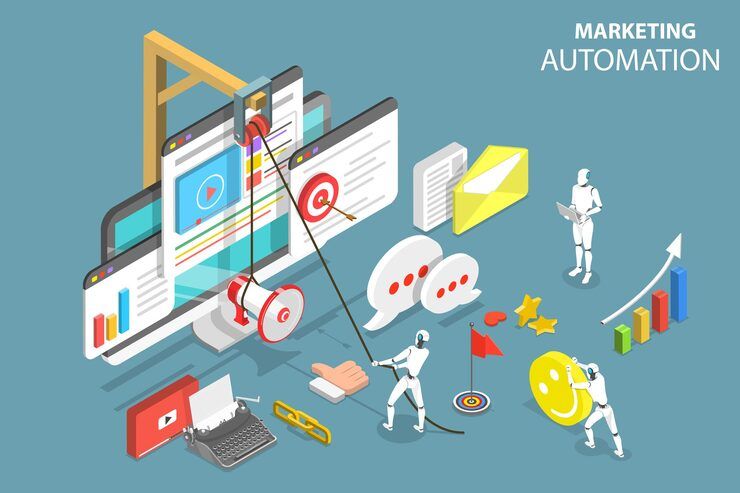
Digital marketing has changed rapidly over the past decade. Earlier, marketers relied heavily on manual work such as sending emails, tracking customer behavior, and analyzing campaign results. These processes were time-consuming and often lacked accuracy.
Right now, machines that think are reshaping online promotion. These systems handle routine jobs without help, spotting patterns in huge amounts of information. Efficiency jumps when guessing what users will do next - outpacing older ways. Instead of manual effort, smart software learns fast, adapting on its own.
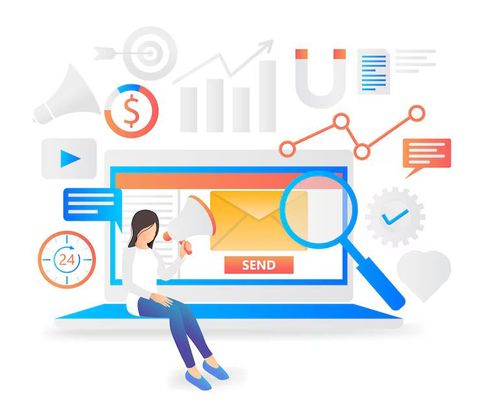
Most folks now rely on artificial intelligence to handle their sales messages automatically. From one moment to the next, these tools decide when to send a note, shaped by how someone acted online. Timing shifts quietly behind the scenes. Personal touches appear without extra effort. Relevance grows simply because the system watches and learns. What lands in an inbox feels less like noise.
Out here, CRM plus marketing tools mix buyer details with smart algorithms. Think of it like this - teams spot patterns in how people interact, split groups by behavior instead of guesswork, yet messages still feel personal without heavy lifting.
Most marketers struggle to handle big online efforts without losing the human touch. Digital spaces keep expanding, making old methods too slow. With smart systems stepping in, tasks get done faster plus mistakes drop. Personalized messaging at volume? That suddenly works.
Importance
Out there where pixels move quick, artificial intelligence shapes how brands speak today. Not a luxury anymore - just part of the daily grind. Companies push posts live with help from smart software breathing behind the scenes. Writers, promoters, those running campaigns - all lean on these tools just to keep pace.
Most times, choices get better when machines help out. Because they watch how people act, what grabs attention, and if ads work - right as it happens. So teams go with facts rather than hunches. When numbers lead the way, guessing fades into the background.
Take email tools that figure out timing - when messages land best. Some pick up on subject line choices, noticing what grabs attention. User reactions shape adjustments, shifting how material shows up later. Better responses come through, results grow step by step.
What stands out next is how things fit individual tastes. Content shifts shape depending on what someone likes, has done before, or clicks around online. Because of this shift, ads feel less random, people pay more attention, and reactions turn more positive.
Starting out feels less overwhelming when tools guide your first steps. What happens next? Clearer choices appear - thanks to smarter suggestions behind the scenes. New paths open up once confusion fades away. Learning grows smoother without tangled jargon slowing progress down. Results become visible faster than before, almost like time speeds up. Understanding clicks better changes how effort flows across tasks.
Starting out with affiliate programs? Tools powered by artificial intelligence can show what's working, then suggest tweaks for better results. Fewer guesses mean more time spent on tactics that actually move the needle.
Most of the time, you can spot top-earning affiliate options when AI studies what people click on, how they respond, and where sales actually happen. Though outcomes differ, guidance tends to sharpen once machines weigh in.
Starting off, artificial intelligence in marketing tackles big issues like handling time, too much information, leaving room for tailored messages. Small solopreneurs testing web income find it useful just as much as major teams running wide-scale promotions.
Recent Updates
Last twelve months brought shifts in how artificial intelligence shapes online promotion. Tools started adapting faster, responding more closely to user behavior. Some systems now adjust on their own, without constant oversight. Changes appeared quietly, yet they altered workflows in noticeable ways. Learning models began handling tasks once reserved for people. Progress wasn’t loud - just steady, persistent steps forward.
What's happening lately? Predictive analytics are getting big. Looking at old patterns, artificial intelligence guesses what users might do next - often right. Because of that shift, campaign planning gets a boost before launch day. Targeting also sharpens up, quietly changing how outreach unfolds.
Now comes smarter chat technology. Talking with machines feels smoother because they reply like real people. Because of this shift, companies connect better through automated talks. Questions get answered on their own. Guidance flows without someone stepping in. Engagement stays steady even when no human acts. All happens while users simply type what they need.
These days, tools powered by artificial intelligence write much better than before. Coming up with first versions, brainstorming concepts, or testing different ad strategies happens fast. Still, people need to check everything - keeping it real matters. Quality slips without a human eye watching closely.
Nowhere near perfect before, tracking got smarter when AI stepped in. Real-time updates on clicks show up without delay, yet adjustments happen faster than ever. Conversions pop into view the moment they occur, while engagement shifts become clear almost instantly. Strategies shift on the fly, though nothing feels rushed. Performance clues appear as they form, because systems learn as they go.
Now comes privacy shaping how AI tools behave. Platforms choose safety over shortcuts because rules say so. Staying right by law means treating people fairly when tech decides what to show.
Fresh changes point to wiser, more careful AI choices across online promotion efforts lately. While tools grow sharper, companies now weigh impact just as much as results. Behind every upgrade stands a clearer focus on ethics, not only speed. Some teams rethink old habits - slowing down helps them move better. Even small tweaks carry weight when trust matters most.
Laws or Policies
Finding its way through legal rules shapes how automated systems handle marketing tasks fairly. Rules show what boundaries exist when machines help send messages to people. Staying within limits keeps users safe while tech works behind the scenes. Laws guide choices so tools do not cross lines without warning.
Privacy around information stands out. Rules like those guarding data force companies to handle client details with care. Knowing how personal info gets applied matters to people, particularly within tools for managing relationships and automated outreach.
Most rules around email marketing are firm. Getting a clear yes from people comes first, always. That step matters most when setting up automatic sales emails or any system that sends them on its own.
Openness matters just as much. Content made by artificial intelligence must avoid confusing people. When messages are straightforward, confidence grows while staying within ad rules feels natural. A clear line forms between what’s shared and how it's received.
Nowhere near every area handles machine-based choices the same way. Where they do, safeguards often step in so results stay fair - skewed judgments get blocked before harm spreads.
Sticking to the rules keeps trust alive when running online ads. Without that guardrail, trouble might start creeping in. Each choice made along the way shapes how others see the brand. When shortcuts appear tempting, past outcomes whisper warnings. Clear boundaries prevent messy fallout later on. How teams respond to limits often reveals their real priorities. Pressure builds fast - but staying steady matters more.
Tools and Resources
Not every tool looks the same, yet most fit into familiar groups. One kind handles visuals, another works with words - each built for different tasks. Some organize data quietly behind the scenes. Others shape how messages sound across platforms. A few track behavior without drawing attention. Each serves a role, even if it stays out of sight. Grouping them helps spot patterns others miss
- Email Automation Tools: Help schedule, personalize, and analyze email campaigns
- CRM Systems: Manage customer data and track interactions
- Peeking at how users act? These tools show what happens during campaigns. Instead of guessing, see clicks, time spent, pauses - moment by moment. Numbers shift when changes roll in. Watch patterns form without loud claims. Details stack up quietly. Performance isn’t hidden anymore - it’s laid out, one step at a time
- Content Creation Tools: Assist in generating ideas, drafts, and variations
- Tracking tools for affiliates watch every click. These systems record what happens after someone visits a link. Results come into view when actions follow through. Performance shows up clearly over time. Campaign data builds with each step forward
Start off slow, yet helpful materials like web lessons, sample layouts, or step-by-step walkthroughs ease new users into the process. Because clear breakdowns of partnership methods, how to set up promotions, plus ways to measure results appear in everyday language.
Starting out with a basic marketing handbook? Pay attention to what the numbers say, how people react, why messages land. When plans are sharp, artificial intelligence performs stronger alongside them.
FAQs
AI Marketing Automation Explained Simply?
Marketing tasks like emails, number checking, or talking to buyers now shift through smart systems that learn on their own. These tools adjust what they do by spotting patterns others might miss. Instead of fixed rules, decisions come from what has worked before. Workflows run smoother because the software watches outcomes and tweaks itself. Emails arrive when people are most likely to open them. Insights form without someone asking directly. Learning happens quietly behind every interaction.
How does email automation improve marketing?
Messages get sent automatically when they matter most, shaped for each person. Timing helps people respond more often instead of ignoring them. Tasks that once took hours now finish without someone doing each step by hand.
Wondering if those AI helpers actually do much good when just starting out in affiliate marketing?
True, artificial intelligence breaks down tough tasks while offering clear views into how affiliate marketing works. It opens doors to picking up core ideas without extra hassle. Learning becomes smoother when smart systems guide each step along the way. Strategies take shape more naturally through supported trial and still keep effort low.
What are crm and marketing automation platforms?
Out here, where info about users meets smart software, results get sharper. Tools that act on their own start working once details about people stack up. With actions tied closely to insights, messages find better fits. Performance climbs when systems adjust without waiting. From scattered bits to smooth moves, the shift happens quietly - yet impact shows fast.
AI and Digital Marketing ROI?
Faster outcomes emerge when machines handle tasks, tailoring choices while guiding actions more clearly. Smarter moves follow from these shifts, pushing campaigns toward stronger returns through sharper thinking.
Conclusion
Out there, artificial intelligence is changing the way online promotions come together - step by step. Not just planning, but also tracking and tweaking efforts gets easier when machines pitch in. Instead of guessing, teams now rely on patterns spotted by software that learns over time. Emails meant to boost sales? They write themselves almost, shaped by data clues. Even number crunching turns quicker, sharper, thanks to smart systems watching every move. Results tend to line up better, simply because decisions stem from what actually happens - not hunches.
What makes AI stand out is how it manages massive datasets while cutting through routine work - offering tailored results along the way. For those just starting or already deep in marketing, it eases complexity and sharpens choices without extra effort.
Now things are shifting - AI works better, feels simpler to use, yet stays within tighter privacy rules. Even so, regulations keep pace, making sure its role stays clear and fair.
Marketers might find their footing by testing what tools are out there, then weaving in fresh knowledge as they go. When diving into beginner-friendly affiliate setups or fine-tuning complex campaigns, help often comes from smart software working behind the scenes.