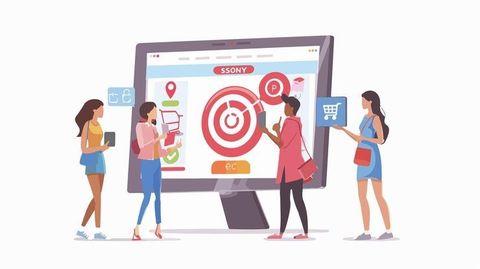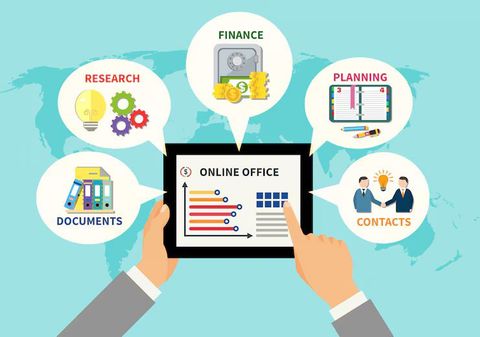
PPC audience targeting is one of the most important elements of modern digital advertising. Rather than showing advertisements to everyone, audience targeting helps advertisers display content to people who are more likely to be interested in specific topics, products, or information.
Out here, the internet feels packed full of voices all at once. So being seen isn’t about yelling - it’s about pointing in the right direction. Getting noticed by those who pay attention matters way more than chasing every pair of eyes. Slowly, advertisements started watching hints - clicks, locations, habits on screens. What worked best? Spending money only when someone truly leaned in. Messages began slipping through the chaos, fitting into routines, decisions, locations. Focus tightened, no longer splintering. What people did next bent around how they reacted before.
These days, understanding who spots your message decides how deeply brands reach people. How folks react to stuff online shifts because of it. People building campaigns think clearer when they grasp this flow. When bosses notice such points, outcomes grow sharper. Out of focus comes sharpness when creators narrow their crowd. Because picking a path changes what echoes online.
How People See Ads Online?
Paid clicks place ads in front of selected audiences based on defined traits. Not random chance, but behavior, where someone is, or what they care about decides visibility. Traits picked deliberately influence who encounters the message. Direction comes from targeting choices, avoiding wide empty throws into the dark. Precision steers attention - looseness stays out of the picture.
Some people browsing the web now skip past advertisements entirely. Companies use filters to connect with users who match certain patterns. These can include how old they are, where they live, or what terms pop up in their searches. Picture one shopper spotting discounts on dog kibble while another sees something else completely. One might spot deals on trips. That ties to what they do daily. Hitting workout pages happens now and then for certain people. Gadgets move off shelves thanks to steady buyers elsewhere. Past clicks? They shape what shows up later. Later on, old clicks still leave marks. Slowly, likes nudge how things move. Messages show up closer to true wants. What people see sticks tighter to their habits. Fewer accidents pop up than before
Demographic Targeting
This targeting method focuses on factors such as:
- Age groups
- Gender
- Household status
- Education level
- Income categories
Geographic Targeting
Wherever someone stands, that is where an ad might reach them. Think of city blocks or corners catching eyes without warning. One system may target entire nations, while another sticks close to one postal zone. The ground beneath feet decides which images appear. What gets shown ties itself to latitude and longitude in quiet ways
- Countries
- States or provinces
- Cities
- Postal codes
- Specific geographic regions
Interest-Based Targeting
Curiosity shows up when eyes linger on similar posts, over time. Should clicks lean toward one kind of hobby, the system takes note. Patterns emerge when choices repeat - week after week. What captures attention today might reappear tomorrow, quietly logged.
Behavioral Targeting
Clicks, visits, time - each detail tunes the ads you see. Patterns form when habits repeat themselves. A trail of sites leads to familiar things down the line. Earlier actions nudge what shows up next, softly. Movement builds influence while staying silent
- Website visits
- Content interactions
- Search behavior
- Previous engagement patterns
Device Targeting
Screen type shapes who sees which ads. Phones draw different offers than tablets do. Browsing habits twist what shows up online. Size matters when websites load their links. One view fits desktops, another slips into phones. Some things work on one gadget but not another. The maker of your gear? That matters too
- Mobile phones
- Tablets
- Desktop computers
- Smart devices
Why PPC Audience Targeting Exists
Back then, online ads appeared constantly, with little control over who saw them. Although these promotions reached more eyes, they often landed before disinterested viewers.
Once, advertisements seemed scattered, without clear purpose. Yet slowly, a different approach began to form. Messages found their way to interested eyes only. Rather than loud blasts across crowds, focus turned to subtle accuracy. As attention tightened, so did meaning. People looking at hiking boots noticed discounts on backpacks instead. A single message found its way because timing mattered. Cabinet deals showed up when kitchen plans started forming. Inboxes stayed quieter once relevance took priority. What someone cared about shaped what arrived. Guessing gave way to patterns that actually fit.
People interested in the product are the ones who see the ad. Those scrolling by might notice something useful instead of random noise. The connection works both directions without forcing it.
How Choosing Audiences Affects Pay Per Click Results
Improves Relevance
Attention comes easier when content feels familiar. Messages land better if they match who sees them. Habit shapes what stays in mind. Fit matters more than volume ever could.
Enhances User Experience
Smooth scrolling happens when ads line up with personal interests. Not every pop-up hits the mark, yet some feel like they belong right there on screen.
Supports Better Decision-Making
It's the ones who answer that makes a difference once words are sent. That’s why spotting faces in replies guides what follows after. Later moves tend to get sharper when more eyes see the message first. When groups notice repeats in feedback, their work slowly gets stronger down the line.
Reduces Unnecessary Exposure
Most times, messages land better when they find the right person first. Less noise happens elsewhere by default.
Encourages Data-Driven Marketing
From rough counts, shapes slowly emerge. As routines become visible, decisions grow clearer - nudged by real actions instead of assumptions. Noticing these clues makes planning feel less like a shot in the dark. Patterns rise where data settles.
PPC Audience Types
Custom Audiences
Some moves advertisers make shape a tailored group. Put together like this, it fits the intended people along with the goal of the effort. One step leads to another when reaching specific eyes.
Similar Audiences
From habits like today’s audience, these clusters take shape. Since behaviors overlap, reactions often follow the same path. Expansion happens more smoothly while staying grounded. When signals align, direction holds steady - especially as size grows.
Remarketing Audiences
Back on your screen, they come - users who’ve clicked before. Familiar eyes drift in, not strangers. Reminders nudge them, soft and timed. What was viewed once now reappears. Follow-ups walk through doors left ajar. A second glance waits behind the first.
In-Market Audiences
Curious minds in these circles tend to focus on particular topics right away. Starting with narrow interests, some examine facts closely. Choices often come after seeing what exists out there. While a handful go far beneath the surface, many simply wander through bits here and there. Some who notice things weigh choices without speaking up. Others move step by step, drawing nearer to what they seek.
Affinity Audiences
Over time, a few people keep circling back to specific subjects that mean something to them. What holds their gaze tends to surface repeatedly, like a rhythm. Choices unfold in ways that trace long-held wonder, quiet but steady. Patterns emerge, built not fast, just month after month of small selections. Themes grow weight without fanfare, simply by showing up again.
Updates and trends 2025 to 2026
Out here, reaching out changes shape once folks start guarding what they share. Speed of new tools? It matches how quickly audiences drift across platforms.
Increase in Artificial Intelligence Use
Before long, computers began changing how folks understood audience choices - picking up on study routines without fixed guidelines. Little signs showed up over time, caught by programs running nonstop. Predictions about user taste got better, not from hunches but endless trials. Ads became more exact, moving beyond outdated guesses due to unseen efforts behind the scenes.
Increased Focus on Privacy
These days, something different is happening - companies hold onto personal data more carefully. Quiet changes in ads now follow what people allow, swapping wide monitoring for consent-based picks. Shaping modern information flow, privacy takes center stage rather than trailing behind.
First-Party Data Growth
Starting in 2025, firms started grabbing details directly off their own sites rather than relying heavily on sources from elsewhere. Third-party inputs had ruled decision-making before, yet gathering data in-house gradually moved into focus. Better internal systems meant fewer teams felt forced to purchase outside info. Even if a few continue mixing the two approaches, leaning on self-collected knowledge became more common. Some smaller groups began recording what users did, skipping past the old ways. Little by little, keeping data inside changed how choices took shape.
Contextual Targeting Expansion
Nowadays, websites choose ads based on pages, not people. Since privacy laws shift often, companies watch context instead. A story shapes the message beside it. Placement drives results - what surrounds an ad defines its space.
Predictive Audience Modeling
Out of repeated actions, a shape begins to form when machines study vast piles of human choices. Suddenly, clever software highlights what could grab attention tomorrow.
Laws and Rules for Targeting Ads by Location
What happens next hinges on safety rules guiding who sees your info. Rules decide the moves firms make after gathering data bits. Privacy laws draw lines, making sure people aren’t left exposed. Where you live changes which playbook controls how facts get used. Over time, rules help create trust just as much as they prevent abuse. Depending on where you are, different areas see things differently when it comes to what police do.
Data Privacy Regulations
One country at a time, laws about personal information started appearing worldwide. Where some acted quickly, others spent ages simply watching how data was pulled in. New boundaries around saving details arrived without warning. Little by little, unseen routines changed under the surface.
Most times you will need things like these: one item followed by another, sometimes even more depending on the situation
- User consent
- Data transparency
- Secure data handling
- Privacy disclosures
Consumer Protection Rules
Advertising regulations generally require:
- Accurate information
- Non-misleading messaging
- Clear disclosures when necessary
- Fair advertising practices
Children's Privacy Protections
Kids spotting an ad can flip the rulebook. Depending on age, some messages suddenly cross a line. When children make up part of who sees it, controls tighten. Cartoons playing in the background? That shifts things. Rules clamp down if viewers aren’t yet adults. Seeing through younger eyes means higher hurdles. Most times, getting through to young people tightens grip. When kids are within reach, barriers tend to rise instead.
Data Security Requirements
Most teams handling crowd data must build strong barriers - keeping private facts out of reach matters. A single slip could expose what was meant to stay hidden.
Platform Advertising Policies
Advertising platforms typically maintain their own policies covering:
- Audience targeting standards
- Data usage guidelines
- Restricted content categories
- User privacy requirements
Most of the time, sticking to guidelines makes online ads easier to understand. Because consistency builds comfort, users start expecting honesty. Companies that move carefully influence whether strangers speak up freely. Promises mean little unless days pass and behavior stays steady.
Tools and resources for targeting PPC audiences
Right folks become reachable when certain tools enter the picture. Depending on your aim, choices shift shape entirely. For particular targets, a handful of paths pull ahead quietly. Strengths tag along uniquely with every single method tried.
Audience Analytics Platforms
Older folks click different than teens, numbers show. As weeks pass, small changes stack into trends. Screens light up where interest runs deep. A pause here, a scroll there - rhythm takes shape. Moments that stick highlight routine.
Keyword Research Tools
Start by using tools that display actual search terms people type. Such resources uncover the reasons driving those searches. What lies beneath user curiosity becomes clearer through these insights.
Audience Segmentation Templates
From time to time, sorting people by shared traits makes outreach clearer. Grouping folks this way helps messages land better. Templates shape these categories so effort isn’t wasted. A pattern here, a label there - suddenly it clicks. Structure turns chaos into something workable. Order appears where noise once lived.
Performance Dashboards
From time to time, someone checks how folks behave by glancing at screens full of lines and bars. Instead of long paragraphs, shapes and colors reveal if efforts are hitting the mark.
Learning Resources
Right away, try stepping into guides or catching short online sessions. When the moment fits, tutorials hand out clever hints without fuss. Flip through current field articles to see today's wins, not outdated ones. Staying alert comes from regular contact with fresh tactics - skip the wait for major shifts.
Planning Worksheets
Right away, knowing your audience feels simpler with a worksheet in hand. Goals take shape smoothly once you map them before jumping in. Reviewing outcomes later makes clearer sense when notes guide the way. Ideas link cleanly when sorted on paper early. Confusion fades each time planning comes first.
Effective ways to target audiences
Define Clear Objectives
Clear goals come first. Once those are set, pick the audience. Not before.
Understand Your Audience
Start by exploring what people care about, their daily struggles, favorite solutions, also how they make choices. Peek into routines, frustrations, moments when things click, plus where confusion strikes most often.
Use Multiple Signals
A person’s shape emerges not just from years lived, but from streets walked, routines kept, corners lingered in. What they value often hides in plain sight - uncovered by the places their feet return to again and again.
Review Performance Regularly
Tomorrow could undo today’s success when habits change. Regularly spotting trends keeps communication real, simply because staying alert matters more than guessing right.
Respect Privacy Standards
What really counts isn’t only obeying privacy safeguards but also being open about where data comes from.
Avoid Over-Targeting
Visibility fades when the audience is too small. With less crowd, opportunities to meet drop fast.
Frequently Asked Questions
How PPC Ads Reach Specific Audiences?
Who sees an ad can depend on their city, interests, or daily routines. Where someone lives might decide if your message ever reaches them. Traits like age or behavior steer visibility behind the scenes. Messages pop up based on lifestyle clues left online. Instead of tossing ideas into the air, ads follow footprints. Smaller groups sometimes react more when things feel personal. Most choices come from what people actually do, not guesses about them. When habits evolve, strategies adjust because of it. What matters shows up in real behavior, never just theory.
Why is audience targeting important?
Most of the time, a message sticks when it matches what someone already likes. Picture after picture goes by fast - unless one suddenly fits how you think. A strange thing happens then: eyes stop rushing down the screen. Instead of skipping past everything, a person pauses. That pause? It comes from spotting something familiar. Ads seem less random once they speak like a quiet note meant only for that moment.
What is behavioral targeting?
Every tap, every pause, shows little clues about taste. Paths across pages collect marks - these form clusters of attention. When routines unfold online, patterns start to surface. A glance here, a linger there, reveals what holds someone's gaze. What grabs interest shows up in how people move through tasks. Not only do clicks matter, yet the paths taken say even more.
How does privacy affect audience targeting?
These days, how firms gather personal data has shifted due to tighter privacy laws. Before any monitoring begins, certain apps will ask you first.
What is contextual targeting?
Most times, pages display advertisements tied to the current content. While reading about bread making, a person may see kitchen tools appear nearby. These suggestions come from analyzing visible text, not past behavior. A system scans each article much like a human does. Offers connect through obvious topics found during scanning. Attention stays fixed on present details, never drifting toward personal data. Matching happens silently, just by understanding what is shown.
Conclusion
People see ads based on what they care about - this kind of targeting has become common online. Messages show up where attention already lives, thanks to focused approaches. As rules around privacy evolve, techniques change too; moving from 2025 toward 2026, new systems emerge powered by artificial intelligence and fresh ideas about information use. Better fits between offers and viewers grow more important, quietly pushing out outdated trial-and-error ways.