Content strategy is the process of planning, creating, organizing, and sharing digital content to reach the right audience. It exists because businesses, creators, educators, and organizations need structured ways to communicate online. As internet usage continues to increase worldwide, digital platforms have become crowded with articles, videos, podcasts, social media updates, and visual media. Without a clear strategy, content may fail to reach users effectively.
Most times, thinking ahead about shared content makes the message matter more. Since interests differ among people, success follows what grabs searches, matches habits, fits places they visit often, lasts beyond first look. Digital efforts that work tend to boost visibility without noise, keep curiosity going, appear just when needed, gain ground slowly. Meaning guides every piece rather than hoping something works by chance.
These days, content isn’t just about blog posts or site sections. It also covers podcasts, short videos, email updates, social snippets, infographics, live streams, user reviews, how-to guides, interactive tools, behind-the-scenes looks, product demos, newsletters, chat conversations, digital brochures, visual timelines, audio clips, real-time updates, community discussions, story highlights, and step-by-step walkthroughs
- Search-focused articles
- Educational videos
- Mobile-friendly content
- Social media posts
- Interactive visuals
- Email communication
- AI-assisted content planning
- Voice search optimization
These days, folks look up useful answers more often online - quality writing just carries further. When search systems pick results, they lean toward sites that know their stuff, match the searcher’s goal, offer something solid.
Content strategy importance now
Before morning coffee, screens already glow with updates. When routines change fast, sticking to scripts fails - unless there is a plan. Those who sketch their message path usually land upright, even if wobbling.
What sticks in people's minds often starts long before the message sends. Picture a crowd - getting their attention takes more than shouting into noise. When plans lead, actions follow with purpose, not just routine. Build the frame first, then fill it; rushing blurs everything. Missteps shrink once everyone pulls from the same map. Thoughtful setup makes room for actual connection. Slower progress often wins when effort counts. Better outcomes show up on their own, even with little money.
What happens in each zone shifts digital marketing differently. Search visibility means pages show up more often when people look stuff up. Instead of just clicking away, visitors stick around longer where engagement works well. Seeing the same brand again doesn’t hurt - it helps folks remember who they are. When facts stay correct, trust builds without needing loud claims. On phones, getting in is smoother when sites adjust well. Patterns show up clearly once behavior gets reviewed closely.
Content strategy affects many groups, including:
- Small businesses
- Educational platforms
- Healthcare organizations
- Financial institutions
- Media publishers
- Technology companies
- Independent creators
Out there, new websites pop up nonstop. With so much clutter piling up fast, getting noticed feels harder each hour. Clear thinking wins when it focuses on what users actually want, not hunches. Choosing words that match real searches opens doors better than tossing content online without aim. Screen layout shapes understanding as deeply as the words themselves. When visual choices echo real intent, belief grows slowly through consistency.
Surprises come from how customers behave now. Buying stuff isn’t what it used to be - speed matters a lot these days. Simpler paths win, not crowded options. What feels unique stands out, even if just slightly. Change crept in while most were looking elsewhere. Out of nowhere, old habits seem to miss the mark these days. Slow shifts in what people like start small - but soon reshape everything around them
- Faster loading websites
- Personalized information
- Easy navigation
- Clear language
- Reliable facts
- Visual learning formats
Weeks go by, yet visibility sticks around if the strategy holds firm. Search engines spotlight pages - lately favoring real help instead of word-heavy clutter that just repeats itself.
Shifts in online content planning methods
Early in 2026, changes seen since 2025 kept moving through content marketing. Behind closed doors, fresh habits slowly changed how teams built and spread online posts.
Growth in AI Changed How Content Is Planned
Halfway into 2025, AI-driven tools started guiding how folks map out subjects, uncover key terms, while organizing their written pieces. Even so, search platforms adjusted by favoring content that reads like it truly came from a person, stressing newness rather than rigid patterns.
Nowadays, digital marketers mix automation with thoughtful edits so messages stay sharp but still feel human. Speed comes from software, though the warmth of real talk always returns through people. A minor change here or there by a person helps the message sound like it's coming from someone worth listening to. The first version might be machine-made and quick, yet meaning only lands when someone who understands the situation steps in.
Increase focus on search experience
When 2025 closed, shifts in search engine behavior started giving extra weight to particular elements. Not long after, ranking systems leaned harder on specific signals than before. Close to that time, algorithms adjusted focus - some aspects mattered more. As months passed, what mattered most in results shifted quietly. Near the deadline, new patterns emerged behind how pages rose or fell
- Helpful information
- User intent alignment
- Mobile readability
- Content freshness
- Topic expertise
Empty spaces dragged some websites down. Yet clarity pulled others into view. Pages that looked alike faded fast. Meanwhile, helpful step-by-step directions drew eyes in. A lack of substance weakened presence. Still, simple guidance built stronger reach.
Short-Form Video Expansion
Onward past 2025, tiny video lessons kept eyes glued across digital spots. Since pictures linger, businesses started converting written pieces into motion - makers tagged along just after.
Voice Search Optimization
By 2025, folks everywhere began talking to voice helpers more often. That change pushed writers to build content out of real-sounding questions instead. Still, the way words were strung together carried weight equal to the facts shared.
Examples include:
- “What is content strategy?”
- “How does digital marketing improve reach?”
- “Why is SEO important for websites?”
First Party Data Meets Privacy Awareness
One way things shifted by 2025? Privacy laws started shaping who advertisers could contact. Relying less on third-party data, firms looked closer - collecting info themselves through forms, visits logged online, messages sent directly to users browsing their pages. Inside access mattered more than borrowed leads.
Right now, something different catches the eye. Shifts in pattern point to quieter turns beneath. Movement today follows what’s been rising lately. Fresh choices show where focus has drifted.
Midway through the decade, digital footprints shift shape. One moment it’s about speed, next it’s depth. Topic hunting speeds up when machines help sort ideas. Search engines tweak how they rank pages - happening between 2025 and 2026. What matters most? Information that actually helps someone. Voices start replacing typing more often by 2025. Questions get longer, answers need to match naturally. Phones stay priority number one past 2026. Sites built for small screens gain ground quietly. Tracking visitors changes too - privacy isn’t optional anymore come 2025. Clearer data paths replace hidden trails
Laws and Policies Influencing Content Management
Most countries set rules for online material - usually tied to advertising limits or personal information protections. As a result, users run into less misleading content during regular browsing. Where truth slips, regulations step, bringing sharper transparency to websites and apps. When systems hold form, muddled moments drop as pages load into view.
Data Privacy Regulations
Folks now expect openness when firms manage private details - rules sparked that change. Email campaigns, tracking online behavior, even number crunching - all feel the effect, thanks to tighter privacy laws.
Common privacy requirements include:
- Cookie consent notices
- Data transparency policies
- User permission controls
- Secure information handling
Advertising and Content Disclosure Rules
Most online spaces require clear separation of lessons and promotions. False claims usually lead to clashes with platform policies. Clickbait titles? They commonly violate what sites say is allowed.
When rules tighten, conversation often stalls. Some choose quiet instead of risk. Others twist their words just enough to slide through. Hesitation creeps in where limits aren’t clear. A rare few test edges without looking back. Most let stillness speak when doubt arrives
- False guarantees
- Manipulative clickbait
- Unsupported health claims
- Misleading financial advice
Search Engine Quality Guidelines
Search engines encourage content that demonstrates:
- Expertise
- Experience
- Accuracy
- Trustworthiness
Most search engines spot copied content pretty fast. When pages rely on shallow or duplicate writing, they slowly fall behind. At first the change feels small, yet it becomes tougher to overlook down the line.
Accessibility Standards
Nowhere feels quite so far as when a screen stays locked by bad design. Some places begin changing that. Rules appear where none existed before. A step here, then another, builds new paths. These could mean simpler buttons, louder cues, clearer words. Not every rule fits all, yet each tries. Where gaps once blocked people out, small shifts now push doors open
- Readable font structures
- Alt text for images
- Mobile accessibility
- Clear navigation systems
Tools and resources for content strategy
Out of the gate, most groups begin by doing - then later wade into numbers. Data gets examined only after real work has started. Online tools chip away at clutter, reassembling clues in new ways every round. What sticks shows up when parts are tested under motion. Software running in the background often holds the pace steady. Patterns form not from plans but where eyes linger longest.
Keyword Research Platforms
Keyword research tools help identify:
- Search volume trends
- User intent
- Topic popularity
- Competitive keywords
Out there, where attention goes, these tools help point the way - quietly tuning who sees what. Because they follow how people look, planning fits without forcing it.
Content Planning Templates
Editorial calendars and planning templates help organize:
- Publishing schedules
- Topic categories
- Seasonal campaigns
- Audience segments
Analytics Dashboards
Analytics systems measure:
- Website traffic
- User engagement
- Reading duration
- Bounce rates
- Device usage
Now things start to clarify, depending on which path you pick moving forward.
SEO Audit Resources
SEO analysis tools review technical website factors such as:
- Mobile responsiveness
- Page speed
- Metadata quality
- Internal linking
- Structured formatting
Online tools for creating visual content
Visual tools assist with:
- Infographics
- Video editing
- Presentation graphics
- Social media visuals
Educational Learning Resources
Digital marketing learning resources may include:
- Industry blogs
- Online courses
- SEO documentation
- Trend reports
- Webinar libraries
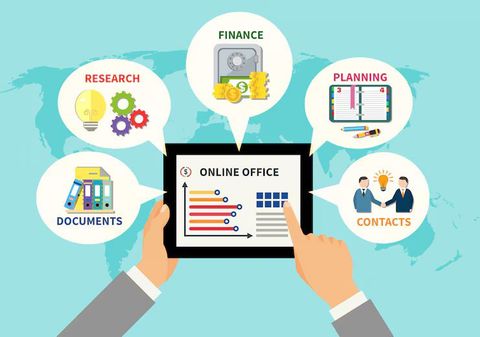
Peeking at the graph shows who does what in a content setup. Right here one clicks into place, over there another slots in - their roles split by design. A few stretch across many jobs, while some stick to just one thing. Where they land depends on how wide they reach.
Start strong with keyword research - it lifts how easily people find you online. When numbers matter, analytics show what’s working, nothing hidden. Publishing stays on track because editorial calendars bring order without fuss. Fixing the backend? SEO audits clean up tech issues that slow things down. Look good while doing it - visual design pulls visitors deeper into your content. Skill growth comes steady when learning resources are within reach
Frequently Asked Questions
A content strategy helps guide how information gets shared. It shapes choices about what to say, where to post it, why it matters. Planning ahead means messages stay clear. Without direction, communication feels scattered. The goal stays simple: make sure people understand.
Usually, putting web content in order helps folks engage more. That happens since layout decides visibility. Clear setups keep visitors around. Messages vanish quickly if there is no method. Being useful involves imagining your audience first. It’s clear when changes show up often. Key thoughts stick better if they appear again, but only enough. What matters gets seen by search tools over time.
How Content Strategy Links With SEO?
What do folks type first? That matters most. Words should mirror their true curiosity, nothing forced. Before any click happens, there's a reason behind the search - don’t ignore it. Flow on screen needs room to breathe when possible. Let spacing guide where attention lands. These days, phones are every bit as important as computers. Little by little, being seen often helps people remember you.
Why is audience research important in digital marketing?
Curiosity leads the way, shaping messages that stick. Because users search in their own ways, paying attention helps skip the guesswork. Real habits reveal paths to simpler talk. Effort finds better results when it trails behind genuine interest.
What role does AI play in content strategy?
Over here where tech assists, machines sort topics, map layouts, dig through terms - task by task they shuffle ideas into groups. Yet humans follow behind - original insight, clean wording, accuracy in details? Ours alone.
How often should content strategies be updated?
Now and then, a few groups adjust their approach - changes in search behavior nudging them forward. Platform moves matter too, shaping choices behind the scenes. Habits evolve, slowly pulling direction one way or another. Over time, outcomes begin to whisper what's working. Little by little, changes stick when they fit.
Conclusion
Everywhere online now, things feel more crowded. As sites multiply, being different needs clarity and help. Start by considering search engines, yet speak how people do. Content that answers actual questions often lasts. What sticks usually solves what someone asked. Phones glide through pages best when loading feels light. Writers change their words once they see the audience clearly. Tiny moments build until a long game tips ahead. Results appear far after the work, sometimes nearly forgotten.
Something changed fast - AI reshaped writing without warning. Behind the curtain, search engines evolved through endless small fixes. People talk to devices more, which shifts what helpful content looks like. Then there are fresh privacy limits, forcing a different mindset in creating material. Most of the time, being clear makes a bigger difference, particularly when trying to earn trust from people reading your words. Slow progress forms belief - sudden gaps break it just as quick. People who actually assist others usually hold their ground even when things change around them. Getting ahead tends to come less from moving rapidly, instead from showing up without fail.