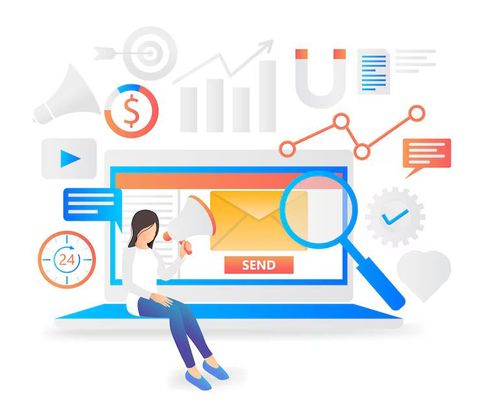
Email marketing has been a key part of digital communication for many years. It allows businesses, creators, and organizations to connect directly with their audience through personalized messages. An email marketing campaign involves sending targeted emails to a group of subscribers with the goal of sharing information, building relationships, and encouraging engagement.
Nowadays, email isn't blasted without aim. Bit by bit, it leans on actual data to move forward. Rather than assuming, groups adjust tiny pieces on purpose. Picture your inbox - when a message arrives can weigh heavy. The subject line? That first glance holds weight. Changes come from real reactions, never guesses. A single word swap can reveal what slips through minds unnoticed. Messages twist to fit the few, not chase the crowd. Silence speaks - each unseen post pulls tweaks into place. Strength builds quietly, fed by every prior stumble. Now it feels less like yelling at everyone, closer to talking one-on-one. Tiny changes gain weight when shaped by what people really do.
Week by week, tweaks add up when messages are shaped around how people respond. Noticing what sticks means fewer shots in the dark. Timing shifts - regular pulses or rare pings - affect whether notes click. Responses guide changes; tools show exactly where things shift.
Importance
These days, plenty of folks still peek at their inbox daily, which keeps email useful for reaching others. Still, just pressing send won’t guarantee eyes on your words. Without careful shaping, notes tend to disappear - ignored, unopened, forgotten.
Optimizing an email marketing campaign helps in several ways:
- Headlines that stand out pull the eye first thing. Because of that, messages get opened more often than not. Once inside, small truths hold interest longer. When things seem tied to real life, clicking follows close behind. Clarity sparks quicker reactions. When meaning hits fast, movement follows just as quick
- Most people give more time to messages they feel were made for them. Emails that touch on what someone actually cares about tend to hold eyes longer. Rarely does a message vanish unread if it lines up with daily reality. What matters shows in how replies shift when content feels hand-picked instead of sprayed wide. Words fit to real routines pull focus without force
- Focused work keeps more power in play. Moving straight ahead avoids slowdowns that build when steps scatter
- Day by day, tiny steps pull people closer without fanfare. Little wins stack into something solid when you keep moving. Effort repeated often enough slowly turns into trust. When folks notice shifts happening, they tend to stay. Stopping less than once is what makes outcomes last.
A small change can alter the whole picture - headlines, clicks, when things arrive. Right timing catches eyes. Getting there isn’t accidental. It’s shaped slowly. Subtle moves sometimes show big effects. Something fixed in one spot can lift everything else along with it. When the plan shapes how things move, timing finds its mark. Words land where they should if thought comes before motion.
Most folks who send emails tend to stick with it. It works well for people running tiny companies. Writers of online posts do the same thing every week. Even those pushing updates through software notice a difference. Things flow easier once they start.
email campaign optimization key elements
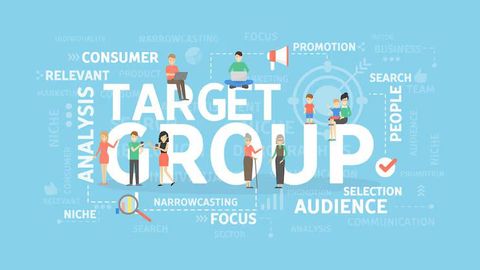
Audience Segmentation
Not everyone notices things the same way. Because preferences shape response, matching message to person helps it stick. Sorting doesn’t alter truth - just pulls pieces into quieter alignment.
For example:
- Those who sign up lately might get a greeting message soon after joining
- Now and then, a few people notice fresh updates when they return. At times, messages appear straight into someone’s email without warning
- Inactive users may receive re-engagement emails
This improves the overall effectiveness of your email marketing campaign.
Subject Line Improvement
Start with any email pile. What stands out first is always the title up top. Imagine a clear phrase that draws eyes without shouting. This kind of precision? It sparks interest like a half-open door. Picture a doorway bright enough to draw you in. Meaning clear and quick keeps people moving, not stuck. Each word matters, yet ease always takes the lead. The best hooks hide in plain view. Less sparkle, more reason - that is why someone opens.
Tips:
- Keep it short and meaningful
- Avoid misleading wording
- Use personalization when possible
Content Quality
Short works best. Jump straight into key points. Dense paragraphs slow readers down - split them apart instead. White space guides the eye with ease. Before including more, pause and ask if it adds value. Less often means clearer. Extra elements distract unless they pull weight. Simple structure speeds understanding. Clarity comes from cutting, not piling on. Every part should earn its place. Focus stays sharp when clutter stays out. Trim first, then trim again. What remains must matter. Empty sections vanish without loss. Readers notice when effort goes toward sense, not show. Smooth flow beats heavy detail every time. Precision keeps attention where it belongs. Filler fades fast. Essentials stand stronger alone. Design serves reading, not decoration. Quiet edits often do most. Most of the time, straightforward wins over smart. What stays clear in your mind matters more than what sounds fancy.
Best practices:
- Use simple language
- Add headings and bullet points
- Include a clear purpose
A single well-chosen word can shift how a message feels. It’s often the pause between lines where meaning settles.
Timing and Frequency
Most folks check messages first thing in the morning. But too many emails at once can push them off fast. Skipping consistent touchpoints lets your presence slip quietly into the background.
Test different:
- Days of the week
- Times of the day
- Sending frequency
Mobile Optimization
Most folks now tap their phones first thing to see new messages. Because of that, shape your emails to look good even when opened on tiny displays
- Using responsive design
- Keeping text readable
- Avoiding heavy images
Performance Tracking
What works becomes clear only if you pay attention to data. Not just any numbers, though - watch for surprises, such as shifts in interaction or sudden drop-offs. Look at duration of visits, frequency of returns, traffic sources, also follow-through on intended steps. One clue builds on another, slowly revealing the full picture
- Open rate
- Click-through rate
- Conversion rate
Over time, small tweaks add up when you see what clicks. Slow shifts happen as each message learns from the last. What sticks shows up again, just shaped a little differently. Little by little, every attempt gets sharper without rushing it.
recent updates 2025–2026 trends
Email marketing has seen several important changes in the past year:
Increase in Privacy Attention
These days, stricter privacy rules mean folks expect straight talk on how info is handled. Thanks to changing expectations, getting a nod before emailing has grown far more important.
AI-Based Personalization
Right now, clever programs study actions to form emails that fit better. A short while back, notes seemed one-size-fits-all - today they bend around routines. Clicks and moments get tracked so tools can alter inbox content. Choices made by users nudge quiet changes underneath. Answers arrive more regularly if things seem known. Each pattern learned shifts the sound of what comes next. When you remember earlier attempts, new phrases come easier. Quiet changes build through every try.
Interactive Emails
Something shifts each time you open a note - polls appear out of nowhere. Tapping brings answers alive through little clicks. Movement hides in plain sight, tucked between lines. The screen inhales when least expected.
Automation Growth
Right after signing up or making a purchase, an email slips into the inbox - no waiting. Because of how the system runs, messages fire off the moment something gets done. A person gives info through a form, then just like that, a reply shows up. The instant someone joins, a greeting follows on its own. Behind every click or submit, there's a quiet machine already moving. When a sale wraps up, communication tags along almost instantly.
Improved Analytics
Today’s tools uncover what used to stay unseen - marketers now shift direction with less guesswork. When information moves without blockage, weak spots show up more clearly.
Laws or Policies
People writing messages must follow clear rules - this keeps exchanges respectful and protects personal space. Guidelines are there because trust matters, especially when words could upset someone if unchecked.
Key Guidelines:
- Only after getting the okay does an email get sent. Interest appears once someone signs up, meaning notes arrive just for those who said yes. Messages begin when permission lands in hand. A go-ahead from the receiver kicks everything into motion. Just show up. That’s it. No forms, no inbox clutter. Right from the beginning, consent draws the boundary
- Right off, bold labels let eyes lock onto the sender quickly. The person's name appears first, clearing up questions before they start. When the from line has meaning, it steers folks naturally through their inbox. Over time, seeing a real author grows confidence bit by bit. Clear facts at the front keep errors from happening down the road
- If leaving is your move, each note shows the way out. A single tap releases you, nothing more needed
- Data Protection: Personal data must be handled securely
Out in places like India, laws about digital messages grow from tech rules mixed with ways to protect private details. Over in other regions, firm lines guide email use - privacy leads, yet clarity must follow.
Most folks start trusting when they see consistent actions - progress builds slowly but surely. With everyone knowing what matters, things just fall into place more naturally.
Tools and Resources
A few helpful resources can boost your email efforts. While specific names aren’t required, you may come across familiar options within software tracking how many people open messages. Subject line testing often happens on certain online platforms. Grouping subscribers tends to happen through dedicated setups. Layout design usually involves particular applications. Spam score checks are typically handled by specialized services. Click activity gets watched using focused instruments. Timing of sends is managed via apps built for that purpose
- Email campaign builders for creating and designing emails
- Analytics dashboards to track performance metrics
- Automation tools for scheduling and triggering emails
- Templates to simplify design and layout
- A/B testing tools to compare different versions of emails
Start with a guide if you want to see how things fit together. Moving ahead, tutorials show what steps look like in real situations. Sometimes a course helps piece ideas into something solid. Little by little, each option adds depth without rushing it.
FAQs
What is email campaign optimization?
Most folks check emails faster if you shift one thing at a time. Picture changing how long the title is, then seeing what happens next week. A new send hour might catch attention better than yesterday’s plan. Sometimes just moving words around draws more clicks without warning. Results grow quiet-like when each message learns from the last. Replies climb once tiny updates link together behind the scenes.
How often should I send email campaign messages?
Some folks respond better at different times. Experiment with when you reach out - find a pace that flows right without fading into the background.
What makes a good email marketing campaign?
A well-run campaign depends on clear messages, although timing plays an equal role. When matched with crisp subject lines, relevant material catches the eye. Attention arrives fast with powerful beginnings, but sticks around thanks to steady effort. Even with all pieces in place, smart scheduling is what shifts results.
Why is segmentation important in email marketing?
When you split stuff up, notes find their spot naturally. That way, folks notice them easier. Hitting someone when it matters changes how they take it in.
How can I measure email campaign performance?
Most folks check messages once they land - open rates tell you just how many do. Once inside, some click around; that reaction hints at what stands out. Following up later? Patterns begin to show who stays curious over time.
Conclusion
Email results count heavily in digital outreach. Messages click when tailored, timely, useful - so attention sticks. Personal touch meets timing meets purpose, lifting response rates step by step. When content fits the person, arrives ready, speaks plainly, effects grow without noise. Small refinements add up, trust builds quietly, replies follow naturally.
Most times, emails seem closer to home since they speak to real interests. With machines doing the heavy lifting, delivery stays steady without someone watching every step. Because privacy matters more now, firms explain plainly where data goes. Following guidelines carefully helps mail cut through cluttered boxes. Picking tools that fit brings quieter progress when reaching actual people.