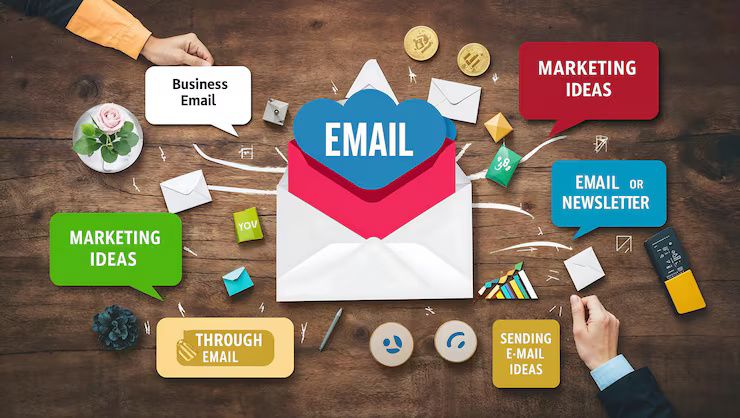
Email marketing is one of the oldest and most reliable ways to communicate with an audience online. It involves sending emails to a group of people who have shown interest in a topic, product, or service. Over time, this approach has evolved from simple bulk messaging into a more personalized and targeted communication method.
Most of what makes email marketing work comes down to growing your audience. Think of a “list” as just a group of emails collected from people who chose to give them. When interest exists already, messages land better with those on the list. Reaching folks who want to hear from you? That changes how well it all connects.
Stability sticks around when everything else shifts - email does that. While social media wobbles without warning, one thing holds steady. Platforms twist and turn faster than anyone expects. Yet messages landing straight in inboxes keep connections alive. Creators notice it first, then teachers, then companies follow close behind. Reaching people means finding reliable paths, not chasing trends. Quiet consistency beats noisy algorithms every time.
Starting out might feel tricky, yet email newsletter platforms help smooth the way. A single tool handles signups, scheduling, plus results tracking - all in one place. Even those new to outreach find them straightforward to use. Some take just minutes to set up a full campaign.
Importance
Building an email list works by linking straight to people who care. When messages go out, you decide the timing - no waiting on algorithms. Messages land right where they should, not lost in noisy feeds. Control shifts to you instead of platforms calling the shots.
Today matters because of this
- Messages land straight in inboxes, bypassing algorithmic filters entirely. What you send is what they see, no interference. Inbox delivery stays consistent, untouched by shifting platform rules. People get it when you hit send, every single time.
- Your audience becomes yours when you grow a list of contacts under your own roof. A personal connection hub means no middleman holds the keys. Reach people directly because the network answers to you. This independence shapes how messages travel far. Control lives where access does not depend on outsiders.
- Interest begins when someone signs up. Those names on your list? They’re paying attention. Curiosity has already sparked. Expect more interaction because they chose to be here. Attention shows intent. The ball is rolling simply by their presence.
- Over time, a carefully kept list grows more useful, serving up fresh information again and again. It sticks around, ready whenever you need it - no extra effort required. Thoughtful upkeep means less hassle later on, even as needs shift. Each update builds quiet reliability, making future tasks lighter without drawing attention. What feels small today becomes deeply practical down the road.
Bloggers feel the shift, yet so do small shops, teachers, creators too. Solving poor reach happens alongside spotty attention spans, plus struggles to connect with fitting viewers.
Start strong by picking smart ways to gather emails - this keeps interest alive over time. A steady flow of engaged subscribers often follows when methods feel helpful, not pushy. Connection grows quietly when each step makes sense to real people.
Email List Building Made Simple
Create Valuable Content
Most folks hand out their email if something feels worth it. When what you offer clicks - like fixing a headache or clearing up confusion - they lean in. Worthwhile info tends to pull attention naturally.
Simple signup forms
Start with fewer fields - just what you need. Name? Email? That covers it. Skip anything extra. Less feels better when typing. One thing at a time helps. Focus stays sharper that way. Fewer steps mean smoother going. People move faster through short ones. No clutter makes it clear.
Offer Clear Benefits
People who sign up might get regular messages. Those often contain new details on topics they care about. Sometimes there is behind-the-scenes thinking shared too. Other times it is just handy tips sent now and then. Content tends to arrive without warning but fits their interests. Most find it helpful when decisions come up later. Updates show up in their inbox if they stay enrolled.
Place Forms Strategically
Start up top near the search bar. Slide one into the sidebar on the left. Tuck another just above the footer. Place a version right after blog posts finish. Slot one inside account dashboards too
- Homepage
- Blog posts
- Contact pages
Maintain Consistency
Staying in touch through messages keeps people paying attention. Emails sent now and then help hold interest without fading away.
Segment Your Audience
Sorting people by what they like makes messages fit better. When you notice how someone acts, it guides what they see next.
Recent Updates
Email marketing has seen several changes in the past year:
- One thing stands out in 2025 - attention shifts toward fitting messages to real habits. Messages arrive shaped by what people actually do, not guesswork. Because of choices made earlier, replies feel less like broadcasts. Instead, timing leans on past clicks. What matters grows quieter but hits closer to home. Since behavior guides design, templates fade. Each note carries a trace of prior steps taken.
- Across the world, new rules now shape how information gets gathered and kept. These changes aim to guard personal details more carefully. Rules shift under fresh pressure to secure what people share. More eyes watch where data travels, who holds it, why it's needed. Safeguards grow tighter as trust becomes harder to earn. What once flowed freely now meets barriers built on caution.
- Tools powered by artificial intelligence help craft email titles, set delivery times, while also checking how messages perform. Performance insights come through pattern tracking instead of guesswork. Timing adjustments happen based on past response data. Written tones get subtle guidance without full replacement.
- Most people check email on phones now. Because of that, layouts must adjust smoothly to smaller screens. A fixed format simply won’t work anymore.
- Clicking inside emails now leads somewhere. Polls pop up where plain text used to be. Some messages let you respond without opening a browser. Little buttons do tasks on the spot. More senders build these live bits into their notes. What once stayed still now moves, reacts, changes.
Staying alert to changes means adjusting plans - often without warning. What matters most shifts quietly, yet response must follow fast. New details arrive; methods shift because of them.
Laws or Policies
When it comes to email marketing, laws exist mainly to keep people's personal information safe. These guidelines shape how messages are sent, focusing on honesty over habit. Messages must respect choices, showing care rather than chasing clicks. Rules step in where trust might slip, guiding behavior behind the scenes. Privacy isn’t just suggested - it’s built into each requirement. How companies communicate gets shaped quietly by these boundaries.
In India Relevant Frameworks Include
- Information Technology Act, 2000: Covers data protection and digital communication practices.
- A fresh law appeared in 2023 called the Digital Personal Data Protection Act. This one sets clear paths for how private details get gathered. Handling such information now follows stricter rules. Responsibility matters more than before when managing user data. The way things were done earlier has shifted slightly. Rules apply differently depending on who is involved.
Key principles to follow:
- Before gathering email addresses, make sure people agree. Getting permission first keeps things respectful. People need to know what they’re signing up for. Approval should come clearly, without confusion. Without consent, trust breaks down fast
- Provide clear information about data usage
- Allow users to unsubscribe easily
- Avoid misleading subject lines or content
Sticking to these rules makes people believe you’re serious. When things line up with the law, trouble stays away.
Tools and Resources
One way to handle email tasks is by using certain digital helpers. These fall into broad types, even if exact labels aren’t needed. Some organize message schedules differently than others. A few track how people respond, replacing guesswork with clear signs. Others build layouts without demanding design skills. Most let users sort contacts in unique ways. Each type shifts how teams manage outreach, depending on what they value most
- Email Newsletter Programs: Help create, design, and send emails
- Running a newsletter? These tools help handle your audience details while scheduling messages ahead of time. One moment it's setting up signups, next thing you're delivering updates without lifting a finger
- Analytics Tools: Track open rates, clicks, and engagement
- Templates: Pre-designed email layouts for easy use
- Learning Resources: Guides, tutorials, and courses to improve skills
Finding your way through tasks gets easier when these tools come into play - results tend to shift for the better without extra effort piling up.
FAQs
What is email list building?
Building an email list means gathering addresses from people wanting updates or info. This happens when folks sign up because they care about what you share. Think of it like keeping a record of visitors who raise their hand. Each name added comes from someone choosing to stay in touch. Over time, these connections form a group that gets your messages. It’s less about grabbing data, more about inviting interest. People join by giving permission freely. The whole thing grows only if others see value. Collecting emails works best when trust exists. Without willingness from the user, nothing really sticks.
Why is email marketing still relevant?
Because it connects straight to people, holds attention more effectively, while building lasting worth over time - unlike several online alternatives.
How often should emails be sent?
What counts isn’t how often you hit send - it’s showing up the same way each time. Filling inboxes too much wears people down, so spacing things out keeps attention alive.
What makes a good email list?
Interest matters most when people choose to join. Those paying attention tend to stay. Willingness shows they care. A solid group forms slowly, built on real curiosity instead of quick grabs. Attention sticks where value lands.
Are email newsletter programs easy to use?
Most tools welcome new users right away. Some come with ready-made layouts. Automation slips into the workflow without fanfare. Getting started feels natural on many of these sites.
Conclusion
Building an email list still matters in online marketing. A steady link to your people comes from this method. Value shown regularly earns confidence - over time that grows a responsive group. Trust forms when each message adds something useful instead of asking for attention.
Out of nowhere, today’s software simplifies handling email outreach more than before. Still, sticking to the rules keeps messages fair and respectful.