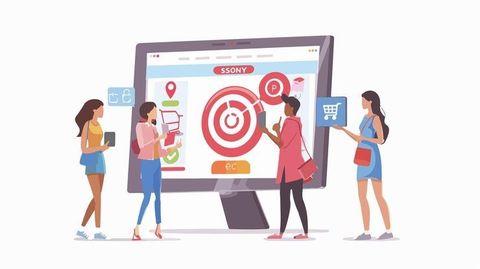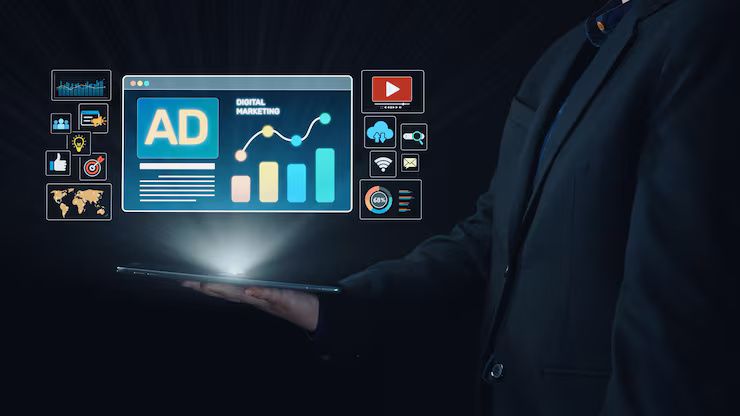
Display advertising is a form of digital marketing that uses visual advertisements to communicate messages across websites, mobile applications, streaming platforms, and other online environments. Unlike text-only advertisements, display ads combine images, graphics, animations, and short messages to capture attention and increase awareness.
Most people now spend time online, so companies and groups share ads through digital spaces. These messages pop up on phones, tablets, computers - wherever users go. What drives today’s banners isn’t guesswork; it’s smart systems reading signals like what you view, where you click, your age, even site topics. Rules around data matter too. Each ad fits guardrails meant to respect personal info. Machines adjust placements without breaking those limits. Relevance shapes delivery, yet boundaries stay firm.
Most people spend time on countless sites each day - that is where ads show up. When someone scrolls through a page, messages about services or causes appear without needing a search first. These visuals arrive during regular browsing, slipping in beside articles or videos. A company might share news, a nonprofit could spread facts, all while you read something else entirely. Seeing things this way feels different than typing a query. Messages land simply by being present where eyes already go.
Display advertising has impact
Most businesses rely on display ads just to stay seen online these days. These visuals link companies directly to people scrolling through websites. Visibility gets a boost when banners or images appear where users spend time. Recognition grows too, since repeated exposure makes names stick easier. Clicks happen more often once attention is caught by clear messaging. Targeting tools let firms aim at particular types of visitors based on habits. Reaching the right group becomes simpler with tailored placements across platforms.
Industries that commonly use display advertising include:
- Insurance
- Finance
- Banking
- Healthcare
- Legal Services
- Education
- Software
- Real Estate
- Automotive
- Telecommunications
- Travel
- Business Consulting
Most of these sectors lean into costly ad methods just to stay visible where everyone fights for clicks.
Some common challenges display advertising helps address include:
- Increasing online visibility
- Building brand awareness
- Reaching interested audiences
- Supporting product education
- Promoting educational resources
- Improving customer engagement
- Encouraging website traffic
- Measuring campaign performance
When placed beside old-school media, digital billboards shine by showing clear data - thanks to tracking tools that reveal how many saw it, clicked, watched longer, took action, or responded in some way. What sticks is knowing who did what and when.
Common Display Advertising Formats
Display Ad Formats and Their Uses
How Display Advertising Works
Machines talk to one another quietly when ads show up online. Each piece has a role, fitting into the whole without drawing attention.
Most of the time, it goes like this:
- Advertiser creates campaign assets
- Choosing who sees the content happens here
- Advertising platform distributes advertisements
- Ads appear on eligible websites or applications
- Users interact with advertisements
- Performance of campaigns gets tracked through analytics
Running on its own, the setup helps ad buyers handle promotions smoothly over many sites, skipping one-by-one talks with site owners.
Keywords Often Linked to Display Ads
Some folks in online marketing zero in on popular ad subjects - ones often tied to crowded spaces - like those bumping up against steep rivalry. A few chase trends where bids climb fast, drawn by what others already target. Others watch sectors where everyone seems to fight for attention, especially areas packed with similar pitches. Several pay close attention to keywords flooded with rivals, simply because many already do. A handful study campaigns in zones overloaded with brands aiming at identical crowds
- Digital Marketing Strategy
- Online Advertising
- PPC Advertising
- Programmatic Advertising
- Google Display Network
- Display Campaign Optimization
- Audience Targeting
- Conversion Tracking
- Marketing Analytics
- Customer Acquisition
- Business Intelligence
- Marketing Automation
- Brand Awareness
- Advertising Analytics
- Marketing Software
Because these subjects matter so much to today’s online promotion plans, people talk about them a lot. Though often debated, their role stays central in shaping how brands connect digitally.
new changes in display ads
Nowadays, ads you see online keep changing because people care more about their privacy. Machines that learn on their own start playing bigger roles behind the scenes. Tech built just for ads grows smarter at the same time.
Recent developments over the past year include:
Lately, campaigns shaped by artificial intelligence have grown more common between 2025 and 2026. Automated systems now pinpoint audiences with sharper accuracy. Instead of relying heavily on outside data sources, companies lean into their own customer information. Third-party tracking methods fade as privacy becomes a bigger priority. New ad tech adapts to stricter rules around personal data handling. Creative content adjusts itself more smoothly depending on where it appears. Devices of different sizes work better together when delivering messages. Tracking performance gains stronger tools that capture finer details. Advertisers receive clearer reports about how well their efforts perform.
These days, machines help shape better bids, suggest creatives, uncover audience details, then refine campaigns - all without taking power away from advertisers aiming to hit their goals.
Now comes a shift as big browsers keep limiting outside tracking cookies. Firms respond by leaning into their own customer information, building tools that respect user privacy while still showing results.
Streaming platforms keep pulling in bigger audiences, so video ads on screens are showing up more often. Connected TV use rises, which helps ad views climb alongside it.
Display Advertising Performance Overview
Typical Digital Marketing Funnel

Awareness    ██████████████
Interest     ███████████
Consideration  ████████
Website Visit  ██████
Conversion    ████
Retention    ███████
A wide crowd shows up at first, then shrinks step by step as people learn and decide. Moving through, fewer stick around each stage. Starting broad, it tightens near the end. People drift away gradually, leaving only those ready to act. Each phase holds less than the one before.
Laws and Policies That Change How Ads Are Shown
Most rules around display ads exist because someone had a bad experience before. Laws step in when trust breaks down between buyers and websites showing banners. Publishers follow guidelines so they do not lose income overnight. Advertisers stay inside boundaries to avoid fines piling up. Consumers get shields without asking - courtesy of how policies bend around privacy. Someone always watches the watchers, even here.
Among these rules are the following
Rules exist because privacy matters. Inside the EU, GDPR shields people’s personal details. Across different places, digital market rules push for balanced competition. Laws that guard consumers stop false or tricky ads. Consent and privacy rules shape how sites gather info and use trackers. Ads on platforms follow guidelines meant to keep users safe while keeping quality high.
Across India, rules shape how online ads work. Laws set limits on what counts as acceptable promotion. Each region follows guidelines that control digital campaigns. Government policies guide who sees advertisements. Courts sometimes step in when ads cross lines. National standards decide where and how companies can promote services.
Important examples include:
- Digital Personal Data Protection Act, 2023
- Information Technology Act, 2000
- Consumer Protection Act, 2019
- Advertising standards issued by the Advertising Standards Council of India (ASCI)
Advertising platforms also maintain their own policies regarding:
- Misleading content
- Financial advertisements
- Healthcare claims
- Political advertising
- Restricted products
- Sensitive content
- Copyright compliance
Sticking to these guidelines makes things clearer for users, building confidence slowly over time instead of rushing it. Fewer mistakes happen when expectations are spelled out plainly from the start.
Tools and resources that help
Out front, folks handling ads on screens mix up how they plan, study results, then shape visuals.
A few helpful tools are worth checking out
Google Ads Campaign Management. Google Analytics 4 Performance Tracking. Google Tag Manager Tag Setup. Google Keyword Planner Research Keywords. Looker Studio Visualize Data. Canva Design Graphics. Adobe Express Create Images. Microsoft Clarity Track User Behavior. Google Trends Find Search Patterns. PageSpeed Insights Test Site Speed.
Other useful materials are available here:
- UTM parameter builders
- Image compression tools
- Accessibility checkers
- Responsive ad preview tools
- Marketing performance dashboards
- Campaign reporting templates
Fine-tuning campaigns becomes easier when teams use these resources. Reporting gains clarity through smarter workflows. Measurement shifts become noticeable over time. Creative output rises in both originality and impact.
Frequently Asked Questions
What is display advertising?
On screens big and small, display ads show up as pictures, moving clips, or banners. These visuals pop in front of people while they browse sites or use apps. Instead of blending into the background, they stand out with color and motion. Websites host them through automated systems that match content to viewers. Visual formats like animated strips or static frames carry brand messages. They appear beside articles, between social posts, or at page edges. Unlike search ads, these rely on sight more than text. Placement happens across devices, from desktops to handheld gadgets.
How is display advertising different from search advertising?
When people look up something online, that is where search ads show up. Browsing a site or app? That is when display ads pop into view instead.
Can display advertising target specific audiences?
True. Today’s ad tools can aim at people using traits like age, hobbies, location, gadgets they own, pages they visit - so long as it follows privacy rules. What shapes who sees what shows up depends heavily on these filters built into the system.
How is display advertising performance measured?
Starting off, there’s how many times an ad shows up - those are impressions. Moving along, clicks divided by views give the CTR. Engagement pops up when people interact beyond just clicking. When actions like purchases happen, that counts as conversions. The share of those actions compared to total exposure is the conversion rate. Then again, viewability checks if real eyes actually saw the ad. Money earned versus money spent ties into ROAS. Lastly, audience reach measures how many different people were exposed.
Why is privacy becoming more important in display advertising?
What once flew under the radar now grabs attention - privacy rules tighten, web tools shift. Clear choices matter more when tracking changes how it follows people online. Instead of assuming permission, companies now pause, ask, adapt. Hidden tricks fade as openness takes root in ads and data moves. How trust builds? One honest step at a time.
Conclusion
Picture ads now play a big role in how companies reach people online. Because they show up on many websites and apps, these visuals help brands stay visible. Instead of guessing who might be interested, tools let advertisers aim at specific groups. Seeing results clearly is possible, thanks to data that tracks clicks and views. Over time, repeated exposure builds familiarity with products or services. Messages are shaped around user behavior, making them more relevant. This kind of ad work fits into broader plans for staying connected digitally.