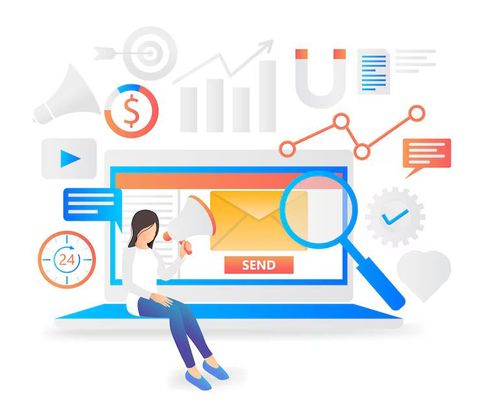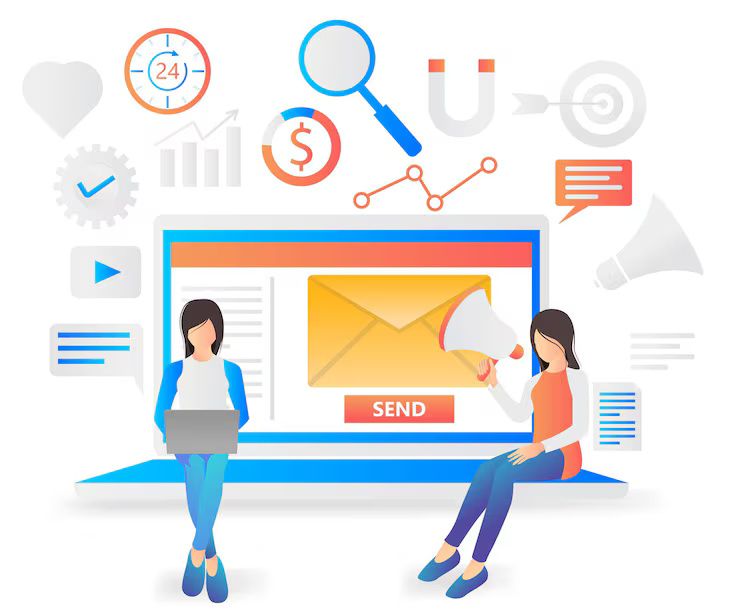
Email marketing is a digital communication method that allows businesses and individuals to send messages directly to people through email. It has been around since the early days of the internet and continues to evolve as technology and user behavior change.
Mail campaigns let companies send news and useful stuff straight to people who want it. Little by little, they got smarter - splitting lists, setting up automatic replies, shaping messages that feel one-on-one.
Nowadays, emails help companies share updates, news, tips, besides keeping customers involved. Messages go out fast to big audiences because bulk emailing makes it smooth, yet each note feels like it's meant just for you. One way or another, reaching people at scale has become simpler without sounding robotic.
Most folks check email every single day, which helps explain why sending messages this way works so well. To make real connections online, getting the fundamentals of email outreach clear makes a big difference.
Importance
These days, email still stands strong among online tools people turn to first. What makes it count? A steady path straight to someone’s inbox, no third-party gatekeepers needed.
For one thing, it matters because
Direct Communication
Messages land directly in a private mailbox, not alongside endless feeds. Because of that, they stay clear from shifting platform rules.
Audience Engagement
Over time, consistent contact grows comfort. Done right, sending emails keeps conversations going. Trust tends to follow when messages feel expected.
Scalable Strategy
Out there, bulk emails reach many people fast. When it comes to sharing news or teaching something, that speed helps a lot.
Data Insights
Open rates and clicks show up clearly through email tools. Because of that, next messages can land better. How people engage today shapes what gets sent tomorrow.
Accessibility
Starting out might feel tricky, yet plenty of tools let newcomers try email marketing at no cost while picking up core skills along the way.
Who It Impacts
- Small business owners
- Content creators
- Digital marketers
- Educational organizations
- Non-profits
Problems It Solves
- Reaching the right audience directly
- Sharing consistent updates
- Managing communication efficiently
- Building long-term engagement
Recent Updates
Surprisingly, email marketing shifted a lot lately - think 2024 into 2025. Privacy took center stage, quietly pushing new rules forward. Automation didn’t just get faster; it began acting sharper, almost aware. Experience-wise, messages now feel smoother, less cluttered. Behind the scenes, adjustments shaped how people actually engage.
Privacy and Data Protection
Now comes a stronger push around letting users say yes first. Lately, those sending emails pay closer attention to whether they’ve been given clear approval. People must agree before messages land in their inbox. Trust builds when outreach waits for a nod. Silence means stop, not proceed. Marketers move slower, but with clearer direction. Choices matter more than volume these days.
AI-Based Personalization
These days, smart software tweaks email titles, offers ideas for what to write, also picks when messages go out. Artificial brains help shape how things look, suggest better wording, even decide timing. Tools learn patterns so subject lines catch eyes, content feels right, moments feel natural. Smarter systems adjust based on past results, refining headlines, body text, delivery hours. Learning happens quietly, improving drafts, nudging choices, shaping flow without notice.
Mobile Optimization
These days, plenty of people read emails on their phones. Because of that, messages get made simpler, quicker to grasp, one size fits most screens.
Interactive Emails
Interactive bits such as buttons and polls now pop up right inside messages, making emails feel alive. A click here, a vote there - users stay involved without leaving their inbox. Little pieces of action blend into the flow, turning plain texts into responsive conversations. These tweaks keep things moving, never slowing down.
Smarter Segmentation
Groups now split by what people do, how they act, their choices - making messages fit better. Relevance grows when communication matches habits.
Integration with Platforms
Some platforms work much like HubSpot’s email tools, linking smoothly with customer records so outreach stays tidy and hits harder. While one system lines up details neatly, another pushes messages where they matter most - keeping track without extra steps.
Change keeps shaping email marketing, driven by what people want along with new tech tools. Still adapting, it moves quietly but steadily forward.
Laws or Policies
Most places set limits on email outreach to guard people's privacy. Rules differ across borders, yet share common ground in practice.
Key Rules to Follow
Consent-Based Communication
Only send emails when people say it is okay. Reaching out without permission misses the point entirely.
Clear Identification
Each message needs to show who sent it, without exception.
Easy Unsubscribe Option
Stopping future emails ought to feel effortless for anyone on your list. A clear path out lives inside each message sent. Nobody needs hurdles when deciding to leave. Opting out must show up without hiding behind steps. Each note carries the option, quietly waiting. Freedom to exit arrives built into the design. Messages hold their own off switch, obvious once seen.
Data Protection
Keeping user information safe requires attention. Yet carelessness can lead to leaks. Security measures matter most when trust is on the line. Mistakes happen fast - protection should move faster. A single gap might open many doors best left shut.
Examples of Regulations
- Privacy rules in India put people’s choices first when handling personal details. Though new regulations shape how companies collect information, getting clear permission remains key. Because trust matters, firms must explain their actions plainly. When mistakes happen, accountability follows. Only then can individuals feel confident about sharing data
- Rules from faraway places shape how messages travel through digital space. These guidelines set boundaries that others follow without question. Across borders, similar patterns emerge in handling personal details. Laws created elsewhere quietly guide daily choices behind screens
- Anti-spam laws ensure ethical communication
Sticking to these guidelines keeps things reliable while steering clear of trouble with the law.
Tools and Resources
Most folks running email campaigns rely on certain software to keep things moving smoothly. Because these systems handle repetitive tasks, performance tends to rise without extra effort.
Common Types of Tools
Email Builders
Templates make it easier to design good-looking messages. A different layout can change how readers see your content. Some styles grab attention faster than others do.
Automation Tools
Trigger email delivery at set times after someone interacts. Emails go out once conditions are met without manual steps. Timing adjusts depending on what the person does next.
Analytics Dashboards
Open rates show how many people view messages, while interaction patterns reveal what happens next. Sometimes attention comes fast; other times it builds slowly through repeated contact. What stands out often depends on timing rather than content alone.
Contact Management Systems
Keep track of who signs up. Sort their details neatly away.
Template Libraries
Offer pre-designed formats for newsletters and announcements.
Learning Resources
- Online courses on digital marketing
- Practice templates for beginners
- Guides explaining email marketing strategies
- Case studies for real-world understanding
Getting started with email marketing feels less tricky when you have the right help nearby. Tools show up just in time to simplify what seems confusing at first. Learning step by step becomes possible because support materials are clear and close at hand. Clarity comes through practice, guided by practical aids that fit naturally into the process.
FAQs
What is email marketing?
Messages arrive inboxes when someone signs up for updates through electronic mail. Sharing news happens this way, often with helpful details included. People receive these notes regularly if they agree to get them.
What is mass email marketing?
Spamming lots of people with one letter happens when someone fires off identical notes to many addresses together. A crowd gets the same note dropped into their boxes without pause.
Why is email marketing still relevant?
Still matters since it lets people talk straight, stay involved, one way that actually shows what works.
What are the basic steps to start email marketing?
Picture your audience first, then gather their details step by step. Craft short messages that feel clear, not cluttered. Emails go out on a steady rhythm, never rushed. Watch how people respond - each click matters. Adjust quietly based on what actually happens.
What makes an email campaign effective?
When messages are easy to understand, they work better. Hitting the right moment matters just as much. Reaching the correct people shapes results. Staying regular in how often you speak builds recognition.
Conclusion
Still going strong, email marketing stays useful for reaching people online. Simple to use, yet adaptable enough to fit many needs - it delivers messages straight to those who matter. With room to shape each note just right, sharing what counts feels natural through this tool.
Most people overlook how simple starting truly is when they begin with email marketing. A clear path opens up once you treat each message like a conversation, not a broadcast. Personal touches matter more than most expect - using someone’s name makes difference appear. Splitting your list by interest keeps things relevant, almost like sorting mail at home. Following rules isn’t dull - it protects trust while letting honesty grow. Over time, steady contact builds something quiet but solid: recognition without force.