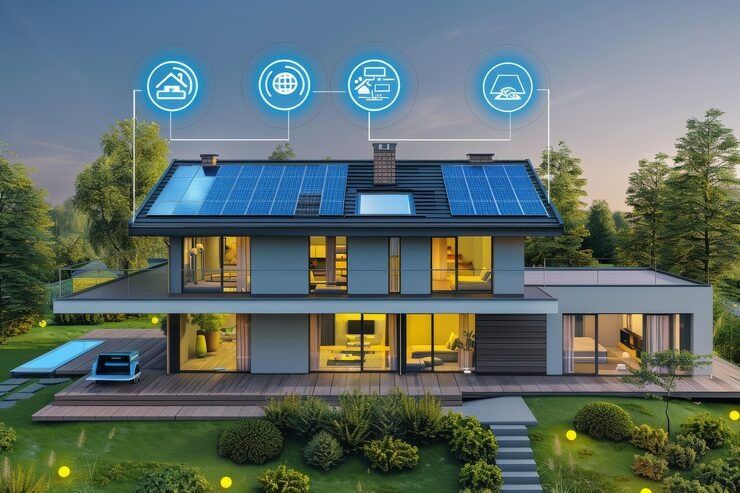
Electric power project systems are organized networks that generate, store, distribute, and manage electricity for homes, businesses, and industries. These systems have evolved from traditional power grids into more advanced digital energy infrastructures. Modern systems now include smart grid technology, solar power generators for home use, renewable energy monitoring, and intelligent energy storage solutions.
Electricity flows better when the system thinks ahead. Old networks pushed power one way only. Now, technology like sensors watches where energy goes as it happens. These updates spot waste quickly while adjusting automatically. Renewables fit more smoothly into today's upgraded setups.
Home solar setups have grabbed attention lately across the industry. When outages hit or usage spikes, families rely on roof panels along with portable units to keep lights on. Tracking tools pair up with backup batteries so owners see exactly how much juice they pull each day.
Power needs keep factories running smoothly through careful system design. Equipment handles workloads better when energy flows without hiccups. Some sites adjust consumption patterns simply by shifting timing. Smart setups respond automatically, easing strain when demand spikes across regions. Infrastructure adapts quietly behind the scenes, balancing supply with real-time demands.
Smart electric power systems today matter because they manage energy better with modern technology
With more people living in cities, powering cars with electricity isn’t the only shift - digital networks need juice too. When grids adapt faster, they handle surges without strain. Cleaner power flows easier when systems think ahead. Rising needs meet smarter responses, quietly. Equipment works better when it responds to change on its own.
Energy savings stand out first. When shifts in power happen, smart grids notice them quickly - then shift supply to areas needing more juice. Because of this flow adjustment, less electricity fades away during delivery while the system runs with fewer hiccups.
When the grid falters, solar setups keep homes lit. Power hiccups matter less when households run on stored sunlight. Through storms or blackouts, these systems back up fridges, phones, lights. Where outages strike often, independence from utility dips becomes a quiet advantage. Sun-fed electrons flow even when wires fail.
What also matters a lot is how we care for the environment. Because they rely less on coal or oil, renewable setups cut ties to dirty power sources. Devices like solar panels work alongside batteries that store extra juice, while digital trackers keep everything running clean. These pieces together ease pollution and line up with bigger plans to stay green.
Factories gain too. Running machines gets watched closely through digital tools that spot waste fast - so power use drops without slowing work. When demand shifts, settings change themselves behind the scenes.
The following table highlights key benefits of modern electric power systems:
Area Benefits. Homes Improved Backup Power And Energy Monitoring. Industries Better Efficiency And Stability. Smart Grids Real Time Electricity Management. Renewable Energy Lower Emissions Cleaner Generation. Infrastructure Less Transmission Loss
Growth of Home Solar Power Systems
Lately, homes are using a lot more sunlight to make electricity. Better panels grab more light now, while modern batteries hold that power longer - so keeping things running is simpler than before.
Modern home solar setups often include:
- Rooftop solar panels
- Battery storage systems
- Smart inverters
- Mobile energy monitoring applications
- Backup solar power generators
When the sun is up, solar panels make power for homes. The parts link up to keep lights and devices running. On dull days or after dark, stored juice from batteries keeps things going.
Most people now keep tabs on power use at home using clever gadgets. With phones or screens, they check how much juice comes in, gets saved, goes out, powers devices too. Each view updates fast, shows what’s happening right then.
Smart Energy Tech Recent Changes
Last twelve months brought changes to how electricity networks work alongside updates in clean energy setups.
That year, nations poured more funds into upgrading electrical grids with smarter technology. Following heatwaves and blackouts, officials pushed changes because power needs kept climbing. Some regions rewired entire networks while storms tested their strength. With surging usage came pressure to adapt - older systems struggled under new loads. Progress crept forward even when funding lagged behind plans.
These days, artificial intelligence shows up more often in how we manage power. Because of smart software, changes in electricity needs can be forecasted ahead of time. Problems inside machinery might show signs early, allowing fixes before things break down.
Built on stronger lithium designs, battery tech moved ahead in 2025 - quiet shifts behind power grids started making a difference. With grid-level storage stepping up, clean energy stayed more consistent, since supply could now match fluctuating demand.
More spots to charge electric cars have popped up fast lately. When demand spikes, smart chargers adjust automatically - helping grids stay stable through better power coordination.
Below the chart traces broad patterns in how energy systems get adopted
Smart Grids Grow Fast by 2025. Home Solar Rises Steadily. Battery Storage Spreads Widely. AI Monitors Power Use More Often. EV Chargers Expand Rapidly
By 2024, a handful of nations had rolled out revised plans for shifting energy systems. Instead of waiting, they began backing solar and wind construction alongside upgrades to power networks.
Laws and Policies That Shape How Energy Works
Power projects often move because of what governments decide. When rules shape how electricity flows, safety tends to follow. Renewable energy finds its place when guidelines allow it. Efficiency becomes real under clear expectations.
Across the globe, nations are setting goals for clean energy adoption, pushing solar alongside wind generation. Such aims frequently go hand in hand with upgrades to electrical grids, shaping how future systems are designed.
Some areas now demand buildings that save energy, thanks to updated rules. What happens next? Solar setups plus smart meters show up more often in homes and offices. These changes tag along with new construction trends.
Most people overlook how crucial electrical codes really are. When setting up a home solar array, sticking to verified setup rules matters just as much as meeting utility hookup laws. Using gear that has passed official testing helps avoid risks down the line. A well-built battery system keeps everything running without surprises.
Midway through 2025, power regulators across multiple nations rolled out revised blueprints for smarter electricity networks. While built on new standards, each plan zeroes in on modernizing how energy flows between suppliers and users
- Grid cybersecurity
- Renewable energy integration
- Battery storage management
- Smart meter deployment
- Energy data protection
Fresh rules shape how factories use power. Because of tighter standards, companies now track pollution more closely while boosting efficiency with smarter tools. A shift in policy pushes cleaner operations - technology helps meet those goals without slowing output.
Energy management tools and resources
Out there, today’s electrical grids lean heavily on digital apps and learning materials. Because they guide people through tracking how much juice gets used, watching solar or wind production, then adjusting how power moves. While some skip ahead fast, others catch up slowly - each piece fits a role in smarter control.
Common energy tools include:
- Solar energy production calculators
- Smart energy dashboards
- Home electricity monitoring applications
- Battery storage tracking systems
- Energy efficiency assessment templates
- Smart grid simulation platforms
Out there, plenty of learning tools pop up when it comes to clean energy setups and how electricity networks work. Some folks dive into web-based courses, others flip through detailed manuals or try out planning sheets meant for mapping energy use - just to get a clearer picture of solar panels and modern grid systems.
From time to time, certain devices pull more power than expected - software that tracks energy use can spot these moments. When people see when and how much is used, choices about turning things off grow clearer. Efficiency rises not by guessing, but by noticing real shifts in daily habits.
Most factories run digital models to test how power gets used in various setups. When machines hum along, these virtual copies let staff tweak settings safely. Instead of guessing, teams watch what unfolds on screen before making moves. Efficiency jumps when changes happen offstage first. Live adjustments come later, once risks fade away.
Smart Energy Use in Growing Industries
Pipes hum, machines breathe - steady current keeps factories moving. When lights stay on, work flows without pause. Power that thinks ahead prevents costly halts. Smooth operations grow from circuits that adapt silently.
When machines hum too hard, sensors notice first. These alerts travel through automated networks tied to power grids. Workers get updates before small hiccups become breakdowns. Power flow adjusts itself based on what each machine needs. Repairs start sooner because warnings arrive early. Grids share data so factories avoid sudden surges.
Factories now often tap into green power sources. When sunlight fuels their panels, stored energy stands by in batteries. This backup kicks in when electricity use spikes across the city. Power keeps flowing without relying solely on busy grids.
When power flows steady, data centers keep humming along. Transportation hubs stay active because lights and signals never flicker out. Logistics spots move goods without hiccups when electricity holds firm. Energy smarts step in - cutting leaks across systems. Operations roll forward, thanks to fewer blackouts or dips. Waste slips down where smart grids take charge.
When factories grow, power systems must keep up. Since machines now run on smart tech, handling electricity wisely matters more than before.
Frequently Asked Questions
What is a smart electric power system?
Electricity flows smarter when digital tools, sensors, and automated controls work together across power networks. Efficiency grows as generation, delivery, and usage respond in real time to changing conditions. Machines talk. Data guides decisions. The grid adapts without waiting for human input.
How does solar power for home systems work?
From up above, sunlight hits solar panels that turn it into electric power. This energy either runs devices right away or gets saved in batteries using a solar setup.
Why are smart grids important?
Electricity flows more smoothly when systems watch what happens minute by minute. Automation steps in where delays used to slow things down. Power lines waste less energy because adjustments happen fast. Sun and wind join the mix without forcing awkward changes. Monitoring keeps everything steady behind the scenes.
Can smart energy systems help industries?
Fine. Machines inside big plants get watched by clever tech that tracks how hard they run, balances power needs, yet cuts down wasted juice along the way through smarter routines day after day.
Are renewable energy systems growing globally?
Fewer emissions matter now more than before, so nations shift toward renewables. Security concerns shape how countries manage power supplies these days. Solar panels work better today, batteries store longer - progress helps push change forward.
Conclusion
Out there, where wires hum and sunlight gets caught on rooftops, new ways of handling power quietly take hold. Instead of old methods that just push electrons through lines, today’s setups think ahead - adapting when demand shifts. Picture panels soaking up daylight, feeding silent batteries tucked beside garages. These stored charges wait until night pulls in, then step in without fuss. Meanwhile, digital eyes track every volt, spotting hiccups before they grow. Grids now bend instead of break during storms or spikes. Homes use only what they need because signals move both ways - from outlet to operator. Even factories adjust machines based on real-time pulses rather than guesswork. Efficiency isn’t forced here; it flows from constant small corrections.
Renewable energy keeps rising, while smarter ways to handle electricity show where the world is heading. Not just nations but companies and regular homes are testing new methods to keep power steady, green, and lasting. Energy choices now shift toward what lasts - quietly shaping how we plug in tomorrow.