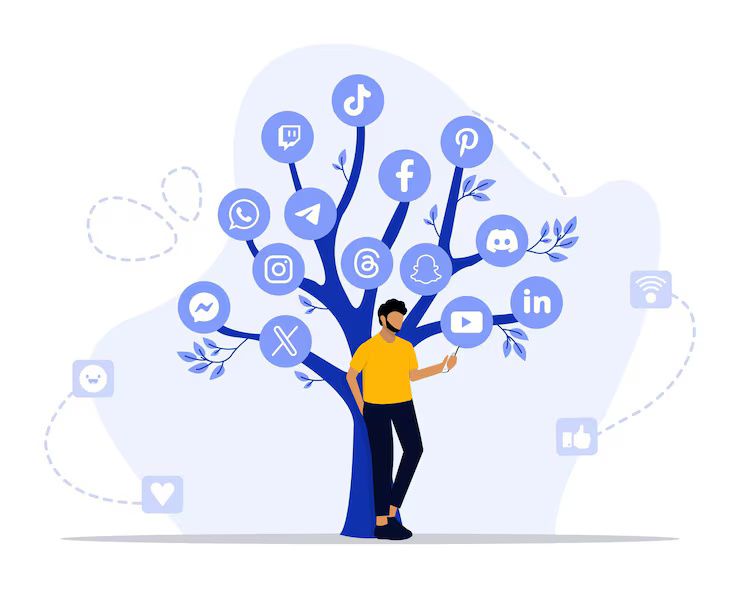
Organic social media growth refers to increasing your audience, engagement, and visibility on social platforms without paid promotion. It focuses on creating valuable content, building relationships, and understanding audience behavior over time.
Back then, social media grew fast without much effort. Sticking to a posting schedule worked well - just add a few hashtags now and then. As things moved forward, hidden systems began shaping what people saw online. These changes pushed creators to think deeper about value instead of speed. Slowly, getting noticed turned into something that relied less on luck.
Right now, growing organically comes down to sticking with it, staying connected to your people, because attention follows where value shows up. Behind the scenes, apps built for social platforms make a difference - offering ways to check results, plan content timing, while revealing what audiences really respond to.
What stands out now is how social media has shifted across ten years. Back then, more posts meant better reach. Today it’s about depth - how things are told, whether they feel real. People pay attention differently; choices grow sharper, awareness deeper.
Why Organic Social Media Growth Still Matters
True connection grows slowly, not forced by tricks. When people find you naturally, they tend to stay longer. Instead of chasing quick attention, doing real work pulls in those who care. Lasting groups form when no one is rushing anything.
Builds Authentic Engagement
Real talk draws people in. Instead of chasing clicks, real connection grows through conversation that matters.
Improves Content Quality
Start by noticing what your audience pays attention to. When you see that, choices about videos get easier without trying too hard.
Supports Sustainable Growth
Spending money might get you seen faster, yet growing naturally keeps people around longer. This kind of reach sticks because it builds steady trust over time.
Adjusts When Algorithms Change
Most new tools put people first. When stuff gets attention, it tends to spread easier - so real interactions help more than forced ones.
Helps Data-Driven Decisions
From what social tools reveal about user habits, plans get sharper through actual engagement patterns. Real behavior shapes smarter moves when feedback from platforms guides adjustments.
From the ground up, real growth touches people - those running companies, teaching others, making content - all trying to be seen as trustworthy online.
What Changed Over the Last Year
Still changing fast, social media shifts under new pressures. During the last twelve months, a few quiet turns reshaped how brands grow without paid help.
Short-Form Content Dominance
Seconds matter more than ever online. Still, brief clips hold viewer interest better than almost anything else around. Because of this shift, apps push snappy material - content built fast, meant to teach or amuse right away. What stands out now? Stuff that grabs eyes before the scroll continues.
Build Stronger Communities
Building communities matters more than simply collecting followers these days. With tools such as polls, questions from users, and replies shaping conversations, engagement grows differently now.
Algorithm Transparency Improvements
Now it's clearer how platforms sort what shows up first. Creators can shape their approach around these rules without guessing.
AI-Assisted Content Planning
From smart software comes caption ideas, trend checks, then better timing for posts. These days, most apps built for growing online followings pack such tricks inside.
Content Personalization
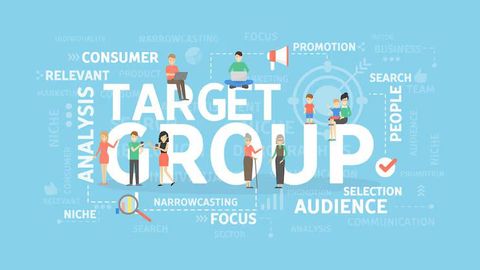
What grabs attention now? Tailored messages. People want things they care about, so knowing your crowd matters a lot. Study them closely.
Rise of Specialized Content
These days, narrow subjects grab attention better than wide ones. A select group of viewers tends to interact more. Though general themes once ruled, specific ideas now pull stronger. Where big reach used to matter most, deep connection matters more. Not every post needs millions - just the right few. Focused messages find quicker footing. While broad appeal fades slowly, precision rises quietly.
Now things move differently - better stuff shows up, what matters gets noticed, people actually using it shape how it works. What counts comes through clearer these days.
Laws and Policies Rules and Guidance
Most times, what happens online follows hidden guidelines meant to keep things safe. Rules shape how people act on social platforms, not always obvious at first glance. Behind every post or comment sit quiet systems guiding behavior. These frameworks exist so everyone plays by the same standards. Safety often comes before freedom in these spaces. What you see gets shaped by decisions made far from public view.
Data Privacy Regulations
Fresh rules from leaders now guard how details about people are used. Because of this, websites must act carefully when managing private facts.
Content Guidelines
What shows up online often depends on who's watching. Rules exist because some posts hurt people or spread lies. When someone breaks them, their reach might shrink overnight. Getting limited feels sudden - like a door closing mid-step. Consequences follow patterns nobody talks about until it happens.
Transparency Requirements
When content feels natural, honesty still matters most. Creators share paid partnerships without hiding them behind casual posts. Even when blending in, clear disclosures keep trust alive. Sponsored moments need labels, not excuses. Truth shows up best when it speaks plainly.
Intellectual Property Rules
When you share someone else's work without asking, it might get taken down. Creating your own stuff tends to do better over time.
Regional Compliance
Some nations set their own guidelines for online material. Knowing these can keep progress steady, avoiding sudden stops.
Sticking to these rules keeps things secure while building trust online.
Tools and resources that support organic growth
Start by using different tools to help shape your strategy. Some apps make it easier to track progress over time. A few websites offer insights that guide decisions. Pick ones that fit how you work. Try mixing platforms to see what clicks. Learning happens step by step. Results grow when effort stays consistent.
Analytics Tools
Tracking how people interact, how far posts travel, plus viewer habits comes naturally to these platforms. When certain kinds of material stand out, it shows right away through patterns they reveal.
Content Planning Calendars
Most days look better when posts follow a clear plan. Because timing spreads out videos, articles, quotes evenly across weeks.
Caption And Idea Generators
Starting fresh each time, these tools spark thoughts by tapping into what people are talking about now. Captions come together more easily when trends shape the direction. Sometimes a single prompt leads to several different angles worth exploring. Fresh takes emerge without forcing them.
Scheduling Platforms
Later on, timing helpers let people set up updates ahead of time, keeping things steady without needing constant attention.
Learning Resources
When you check online lessons or step-by-step walkthroughs, fresh details on how platforms shift often show up. Learning through digital classes helps keep pace with new methods that appear over time. Updates slip into view while moving through web-based training built around real shifts.
Performance Trackers
Over months, these tools track progress while showing shifts across years. Still, they highlight patterns when reviewed again later. Each update adds clarity instead of confusion during follow-ups. Time reveals trends once hidden at first glance.
Working well with these tools might just take the hassle out of growing your presence on social platforms naturally. A smooth approach here often leads to better results without extra effort piling up later. Each small step adds up when done consistently over time.
FAQs
What are social media growth apps?
One way to look at it - these apps watch how people react online, then sort out when to share updates so things go smoother later on. They check what works, line up future messages, also keep an eye on who's paying attention, making the whole approach smarter over time.
How has social media growth changed in the last 10 years?
Now it's less about how much you produce, more about what it does when people see it. Stories matter more than ever, pulling readers in through moments that stick. Connection shapes everything, turning casual views into something deeper. Instead of chasing numbers, attention lands on meaning, building trust one piece at a time.
Why is organic growth important?
True connection grows when people find you naturally. Trust takes root more easily that way. Over time, attention sticks around - it’s not just a quick stop. Real conversations begin without ads pulling strings behind the scenes.
How often should content be posted for organic growth?
Most times, steady wins. Posting now and then with real worth beats constant junk online. What counts isn’t how often - you could go weeks - but that each piece stands when it lands.
Which kind of posts spreads most naturally online?
Most people stick around when what they read feels real, answers questions, or fits what they care about. A post clicks best if it mirrors their daily thoughts. Something familiar but not obvious keeps eyes on screen. Relevance pulls attention more than polish ever could. The brain latches onto usefulness without flashy tricks.
Conclusion
Growth on social platforms now goes beyond steady posts. Knowing how people act online matters just as much as what shows up in their feed. Trends shift fast, so staying aware helps keep content relevant. Years ago, sharing updates was enough - now numbers guide decisions more than guesswork. Tools such as growth apps shape today’s methods behind the scenes. What worked before often falls short without smarter techniques.
Nowhere near static, how people grow on social platforms has changed fast since ten years back - realness leads now. Not just likes but actual conversations matter more than before. Because of that shift, showing up honestly helps both regular users and groups stay visible longer. What sticks today isn’t polish - it’s connection built step by step.