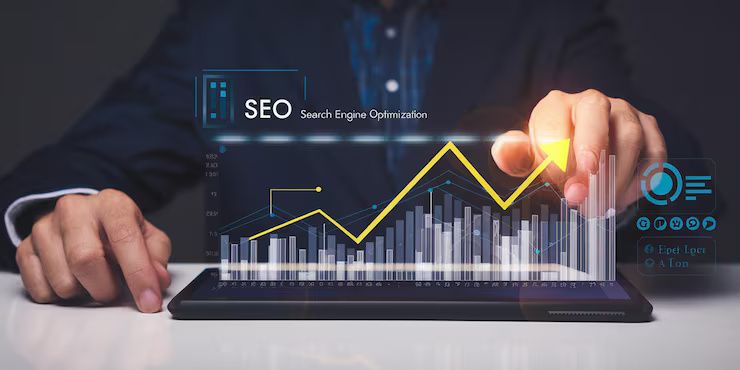
Organic traffic growth refers to the increase in website visitors who arrive through unpaid search engine results. It usually happens when a website becomes more visible in search rankings through useful content, improved website structure, and better user experience. Search engines analyze pages based on quality, relevance, loading speed, mobile compatibility, and user engagement.
Search engines bring most visitors to websites, simply because that is where questions lead. Not just stores but schools, writers, groups - anyone sharing something - needs to show up when someone looks. One way they get found? When results point right at them, quietly, without fuss.
Month after month, a solid piece of content keeps pulling people in - no ads needed. Instead of quick tricks that fade fast, real results come from staying useful over time. When pages answer questions clearly, search tools keep sending visitors their way. Staying up to date matters because outdated info loses trust fast. Websites thrive when they care more about clarity than clicks.
Most people find websites by typing things into Google. That happens more often when a site follows what we call SEO. Picking the right words comes first - those are phrases folks actually search for. Fixing how pages load matters just as much behind the scenes. Content needs to be planned around real questions someone might have. Linking one page to another inside the same site helps too. Writing like you’re talking to a person makes it stick better. Expensive keywords pop up again and again - digital marketing strategy, for example. Search engine optimization itself gets typed daily. Online visibility? Searched constantly. Keyword research pulls heavy weight. Audience analytics show patterns others miss. Website performance ties everything together simply.
Organic Traffic Growth Still Relevant
These days, people turn to search engines before making choices or learning something new. Whether it is medical advice or the latest tech news, most start their journey online by typing a question. That shift makes organic reach matter more than ever.
Most people notice websites that show up naturally in searches. These sites tend to feel more trustworthy over time. When a page appears again and again, visitors begin to recognize it without thinking. Learning hubs gain when they’re found easily through search engines. News outlets stay relevant by being visible where readers look first. Online groups grow quieter confidence when members find them effortlessly. Blogs filled with facts rise in attention simply by appearing at the right moment.
Now comes the shift toward phones changing how people find things online. With more folks using handheld devices, talking to digital helpers, or asking smart systems questions, speed matters like never before. Pages must load quick, adapt smoothly to small screens, yet keep facts easy to grab. Structure turns critical when thumbs do the scrolling.
Shown below are key elements that affect how much organic traffic increases. A look at what really moves the needle comes down to these drivers shaping visibility over time. Each piece plays a role, though some weigh heavier than others. Factors stack up differently depending on where efforts land week after week.
Content Quality Affects Relevance And Engagement. Mobile Optimization Influences Mobile Rankings. Website Speed Impacts Bounce Rates. Keyword Research Aligns With User Intent. Internal Linking Enhances Content Access. User Experience Supports Longer Visits
Organic traffic growth also helps solve several common online challenges:
- Difficulty reaching target audiences
- Hidden behind others when people look online
- Poor user engagement on websites
- Reduced trust due to outdated content
- Limited long-term website discoverability
Nowadays, getting found online touches almost all fields - schools, hospitals, banks, trip planning, tech firms, even news outlets. With more sites chasing attention, standing out means sharing correct details, keeping content fresh, staying tuned to what visitors actually need.
recent shifts in organic search patterns
Midway through 2025, subtle shifts in how search engines rank pages began altering what shows up first. Not long after, new patterns emerged that quietly changed how websites attract visitors without paid ads.
Now picture this: AI-crafted summaries started showing up more often in searches. Right near the top, answers shaped by artificial intelligence began replacing old-style links. That shift quietly reshaped website traffic since people grabbed details right there - no clicking needed. Fewer visits came through when responses appeared before the first result.
One big shift leaned into stories shaped by real know-how. When search tools began favoring posts showing skill, honesty, and useful takeaways, things changed. Pieces built around straightforward breakdowns, correct facts, and reader-first flow found more eyes on them.
One step ahead in 2025: mobile-first indexing kept growing. Sites built for small screens ranked higher when they adapted smoothly plus loaded fast. Stability during load, quick response times, along with smooth visuals - these shaped how well pages did. Search engines still watched those closely.
The chart below shows common SEO priorities in 2026.
AI search integration high mobile optimization critical user experience signals key structured content medium voice search readiness moderate visual search rising
Out of nowhere, how fresh a page felt started mattering more. Pages that stayed up to date began climbing higher because systems liked recent details and clear dates. Old posts got reworked by site owners just to keep their spot visible online.
These days, more people talk to their gadgets. That shift made sites tweak how they write stuff online. Instead of short keywords, answers started sounding like real chat. Pages began framing info around questions someone might ask out loud. Matching that natural flow became key as voices replaced typing.
Spam checks got tighter when search engines updated their systems in 2025. Pages stuffed with repeated words or false details started showing up less often. Because of that, many writers began focusing on clearer, smoother articles. Readers noticed the shift before experts even commented on it.
Laws and Policies That Shape How Websites Appear in Organic Search Results
What happens online shifts depending on local laws about ads, data rules, or who sees what. Watched more closely now, websites face scrutiny over how clear they are, how private user details stay, or whether info feels trustworthy.
Most sites across India now adjust their steps because of the Digital Personal Data Protection Act. Handling what visitors share needs care, thought. Clear notices about data collection show up more often these days - especially when forms ask questions or trackers follow activity behind the scenes.
Out of nowhere, search rankings feel the push from ad rules and fairness laws. When claims twist truth or headlines trick readers, those break online ad norms. Honest details matter - writers do better when words stay clear, grounded. What sticks? Saying what’s real, nothing padded.
Spammy tricks? Search platforms have rules to block them. Stuff like keyword stuffing tends to get flagged - automated checks watch closely. Manipulating rankings often leads to penalties, so sneaky redirects are risky too. Hidden text falls under prohibited tactics, plain and simple. Duplicate content usually triggers filters without warning. Buying links? That breaks the guidelines every time. Automated queries raise red flags immediately. Doorway pages confuse users - they’re frowned upon heavily. Sneaking in cloaked content invites trouble just as fast
- Hidden keywords
- Duplicate content
- Misleading redirects
- Automated low-quality articles
- Manipulative link-building practices
More rules about access shape how sites get fine-tuned today. Clearer text, easier phone use, because better menus help more people find what they need.
When it comes to sharing content online, rules around copyright matter just as much. Owners of websites need to check every image, video, bit of text, or graphic used - either made by them or backed by permission. Copying someone else’s work without consent might lead to trouble in court while also making a site harder to find through searches.
Now here's a twist - search engines keep adjusting rules while AI fills more corners of the web. Not every site follows through, yet those using real people to check facts tend to stay on track. Value for readers? That quietly matters more than ever before.
Tools and resources to improve organic traffic
Website owners find better search results using different tools alongside guides. Some options dig into keywords while others check site performance or user behavior. Each piece fits together like puzzle parts, shaping how people discover pages online. Planning what to publish grows clearer when data points connect naturally.
common types of seo tools
Keyword Research Tools Find search terms and trends. Website Audit Tools Spot technical problems. Analytics Platforms Track visits and interaction. Content Planning Tools Manage publishing plans. Speed Testing Tools Check site speed. Search Trend Platforms Watch what users are searching
Helpful resources often include:
- SEO learning guides
- Website performance calculators
- Search trend dashboards
- Content planning templates
- Metadata preview tools
- Mobile optimization checkers
Some writers check their work with software that rates how easy it is to follow. A fresh line after a few sentences keeps eyes moving down the page. Words fit best when they show up the way people actually talk. Tools like these can shape how ideas flow from one point to the next.
Out of nowhere, structured data generators started making webpages clearer to search engines. Information about articles shows up more clearly because these tools sort it neatly. Frequently asked questions? They get arranged properly too. Product specifics find their place just as easily. Business details also gain better structure through such systems.
Most folks stick around longer when they find what they’re looking for - tracking that is one way audience tools lend insight. Bounces happen, but spotting where users leave tells you what might need adjusting. Page paths reveal habits, like which links get followed or ignored. With time, small tweaks based on actual visits shape how things are organized online.
Frequently Asked Questions
Understanding Organic Traffic in SEO?
People show up on websites by clicking natural search outcomes, not ads or promoted links. These visits happen when someone types a query and finds the site without paid placement guiding them there.
Why is organic traffic important for websites?
Over time, real visitor numbers boost how often a site shows up online. Search visibility builds trust as people keep finding pages naturally. Growth sticks around when users land without paid pushes. Trust grows quietly with every organic click that stays awhile.
How long does organic traffic growth usually take?
Some time passes before organic visits grow - speed depends on how crowded the niche is. Good content helps, yet a clear site layout matters just as much. Search engines crawl differently, so results show up at their own pace.
What are common reasons for low organic traffic?
Clunky site performance might hide your pages from search results. Pages built without phone users in mind tend to slip down rankings. Stuff that takes too long to load pushes visitors away fast. Content missing clear focus often gets ignored by algorithms. Weak word choices fail to catch attention online.
How do search engine updates affect website rankings?
When search engines update, website evaluations shift. Because of this, pages offering useful information tend to stay visible. Trustworthy material often survives algorithm shifts. Updated content weathers changes better than stale posts.
Conclusion
Even in 2026, getting found through natural search still matters a lot. Because search tools keep changing, sites now need great content along with fast phones access and clear navigation. Instead of just stuffing keywords, success comes from knowing real people's needs. Behind good rankings you’ll find smart tech fixes, open access rules, plus honesty in what gets published.
Nowadays people look up more about smart tools helping them find things online, along with sites that care what visitors want and run fast. Even so, rules around who can see your data and how posts are handled keep changing the way web pages work behind the scenes.