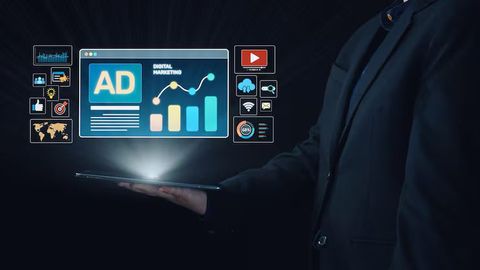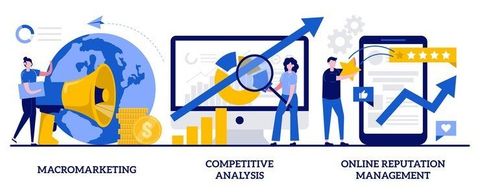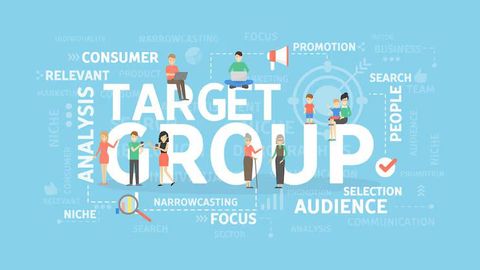
Digital marketing has changed rapidly over the past decade, and one of the biggest drivers of this change is artificial intelligence (AI). Today, businesses and individuals rely on AI tools to manage, analyze, and improve their online presence. In simple terms, AI in digital marketing refers to using smart systems that can process data, learn patterns, and make decisions with minimal human input.
These days, smart software helps a lot with getting websites noticed online. Back then, people checked word trends by hand, studied rivals closely, looked at what worked. Today’s programs do all that quicker, often spotting things humans miss. Speed meets precision when machines take over the heavy lifting.
Take sales emails that run on their own. Now tie those to systems tracking customers while feeding info into search engine plans. One piece shifts how another works. Watch how people click around online. Messages get clearer because of it. Content shows up where it fits best. Each step leans on the next without spelling it out loud.
Out of reach for human hands, oceans of online info push teams toward smart helpers. Noticing what people really want matters more today - search tech cares less about exact words typed. Machines built to think like search engines stepped in once old methods fell short.
Importance
Starting strong, smart software helps online promotion run smoother. From quick fixes to deep analysis, one thing becomes clear - tasks get done better when machines lend a hand. For those just starting out or already deep in the game, handling search rankings feels less like work thanks to automated support.
Spending less time hunting keywords means extra room for big ideas. Quick answers come fast when smart software handles the numbers. Focused energy shifts toward inventive planning instead of number crunching. Marketers find breathing space once reports write themselves.
Most folks miss how sharp the targeting gets. User habits, what they like, even their searches - AI digs into all that. Personalized campaigns start clicking when emails show up right, say during follow-ups or routine sends. Engagement spikes when things feel meant just for one person.
Marketers move faster when they see what is happening right now. Because machines sort through information instantly, choices get made without waiting. Picture spotting shifts in how people click links before anyone else does. Even finding which partnerships pay most turns simpler once patterns show up clearly. Decisions grow sharper the moment numbers speak louder than guesses.
These tools are especially helpful for:
- Beginners learning digital marketing
- Content creators improving SEO performance
- Businesses managing large-scale campaigns
- Professionals using crm and marketing automation platforms
Put simply, artificial intelligence tackles issues such as too much information, inaccurate audience reach, also clumsy processes.
Recent Updates
One year passed - AI in online ads changed fast. Tools learned new tricks by 2026. Big shifts showed up quietly through months. Speed grew, responses got sharper. Learning happened nonstop behind scenes. Updates rolled out without fanfare. Each step built on what came before. Quiet progress shaped how things work now.
Out of nowhere, content tweaking got smarter. These days, artificial intelligence digs deeper into meaning, mood, and what people actually want. Because of that, words on pages feel sharper, show up more often online, connect easier with those who read them.
Now here's something different: machines learn as they go. Not just ticking off timers anymore, today’s systems guess what happens next. Take emails - smart software watches how people act, then picks moments that work. It waits, it learns, a message slips through when someone’s most likely to notice.
Now things link together better. Several services mix search engine optimization, data tracking, and messaging features all in a single spot. When you work with customer management software alongside automated outreach tools, having everything joined helps skip juggling separate apps.
Something else happening is more artificial intelligence showing up in affiliate marketing. Right now, software can spot good markets by spotting patterns others miss. Performance gets watched closely because systems update data without delays. Campaigns change on their own based on what brings results. Strategies around everflow affiliate adapt as tools learn faster. Beginners find certain programs easier due to smart suggestions appearing at key moments. Even long term plans shift slightly when new signals emerge from data trails left behind.
Now comes a sharper eye on who sees your data, how it moves. Some systems start showing clearer paths of where details go instead. Truth unfolds slowly when machines decide what stays hidden. Steps appear to explain choices behind automated actions. Light seeps into corners once kept dark by design.
Laws or Policies
Facing digital marketing, AI walks a line drawn by rules - mainly those guarding personal data and people. Laws shape how it gathers, uses, or holds information. Protection of users isn’t optional, just built into legal demands. Following these keeps systems from crossing boundaries others set long before machines got involved.
Across nations like India, handling personal data in online promotion falls under privacy laws. Such regulations keep how info is gathered and applied within ethical bounds.
Among the main topics tackled are these
- When it comes to personal information, marketers have a responsibility to be clear about how they gather and use it
- People get to decide what happens to their own data. Their say comes first when it's about private details. Control stays in their hands, not someone else's. What they agree to matters most. Choices around info belong to them, always
- Transparency: AI-generated content and automation should not mislead users
- Spam rules shape how firms send messages. When companies automate outreach, compliance keeps them on track. Bypassing filters often leads to trouble down the line. Following laws matters just as much as reaching customers. Automated systems need oversight too. Ignoring standards risks penalties. Staying within limits protects reputation slowly building over time
Across the world, rules such as GDPR shape the way online ads work. Though they might not always apply, plenty of services still stick to these guidelines.
Sticking to the rules helps keep confidence strong while steering clear of court troubles.
Tools and Resources
From chatbots to keyword finders, a range of smart tools now shape how brands grow online. Some speed up work others once did by hand. While certain apps track rankings, different ones suggest better headlines. One type studies user habits, another reshapes ad timing. Though built differently, each aims to cut effort while lifting performance. Their role keeps expanding across campaigns and search strategies.
Keyword Research Tools
What people look up online gets clearer through these tools. Because they track shifts in searches, picking useful terms becomes easier. By spotting patterns, reaching the right audience feels less like guessing.
Content Optimization Tools
Tools driven by artificial intelligence help make writing clearer, better organized, one step at a time. These systems offer tweaks that grab attention more easily. Their guidance shapes how words flow on the page. Suggestions appear based on patterns found in effective texts.
Analytics and Reporting Tools
Website activity, how people interact, alongside outcomes of promotions get logged by these systems. Decisions shaped by numbers come easier because of that.
Automation Tools
Tasks that repeat often get handled by software designed to streamline them, such as sending emails on a set timeline. Besides timing messages, these systems help organize steps within customer tracking and promotion tools.
Affiliate Marketing Tools
Starting out? These tools let you follow how affiliates do, handle your efforts, spot what might work. Learning the ropes of affiliate marketing becomes easier when you see patterns over time. Ways to make money online start making sense once you test a few paths.
Learning Resources
Starting out? You will find guides, tutorials, and templates just about everywhere. Step by step, they shape your progress through a digital marketing path. Each tool builds on the last, slowly growing what you can do.
FAQs
AI SEO Tools Explained Simply?
Out of nowhere, these digital helpers tap smart algorithms to sharpen how websites show up on search engines. Instead, they dig into word patterns, shape written pieces, then check how well things perform online. One moment you're stuck - next thing, insights appear where guesswork used to live.
How do AI tools help in digital marketing?
By handling repetitive jobs, these tools free up time while digging into numbers to reveal patterns. Because they spot trends early, adjustments happen faster than before. When information flows clearly, decisions around audience reach become sharper. As performance grows, so does the ability to fine-tune results without extra effort.
AI Tools for Beginners?
Most folks just starting out find their way easier because AI trims down tricky tasks. Digital marketing feels less overwhelming when steps get smoothed out by smart software.
What is the role of automation in SEO?
Tasks like reports, email follow-ups, or checking numbers can run on their own. Time gets saved because machines handle steps without pauses. Mistakes drop when consistent patterns replace human entry points.
AI Tools in Affiliate Marketing?
True, spotting patterns comes easier when these tools are used. Performance shifts become clearer over time because of consistent monitoring. Adjusting plans around what works? That gets simpler too - thanks to how data shapes insights in affiliate efforts.
Conclusion
Out there among digital marketers, AI tools now fit right into daily work - especially when it comes to SEO. These helpers take tangled jobs and make them smoother, faster, clearer. Think about digging up keywords or setting emails to run on their own; even handling CRM systems leans on smart software these days. In today’s approach, skipping AI feels like leaving half the toolbox behind.
One step at a time, tech moves forward - AI tools grow sharper, easier to reach. Still, care matters when using them, especially around private information and fair choices.